
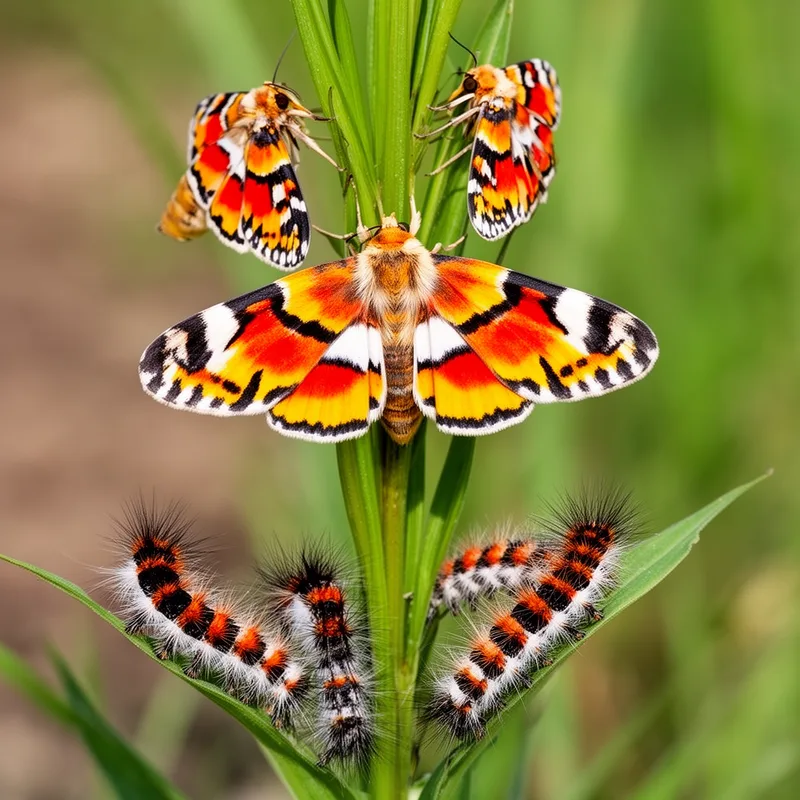
Arctiidae


 1
9.9
- noun
- /ɑrˈkɪdiˌeɪ/
- Specialized
- Science classes often study Arctiidae for their unique adaptations and ecological roles in their habitats.
Examples
-
Shuker would love to nail down the flying poodle's precise species name: "Is it indeed a member of Arctiidae, or are its taxonomic affinities elsewhere?"
Blog text (29) -
Many Arctiidae caterpillars are covered in hair, making them appear quite unusual compared to other species.
-
The Arctiidae family of moths is easily recognized by their vivid colors and striking patterns.
Synonyms
 1
6.0
A medium-sized moth with bright patterned wings and a caterpillar called a woolly bear
 1
9.9
A group of moths like tiger moths with bright colors and patterns
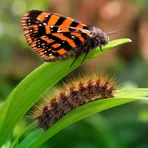
A moth with a thick body and broad wings, often with bright stripes or spots, whose caterpillars are hairy

A moth with a thick body and broad wings that often has bright stripes or spots and hairy caterpillars
Compounds
- Specialized
1
9.9
A group of moths like tiger moths with bright colors and patterns
Surface Forms
Morphology
Arctiidae = Arctia (opaque) = Arctia + idae
Formed from the genus name 'Arctia' plus the taxonomic family suffix '-idae'; the suffix is a specialized scientific marker not familiar to average learners.
Etymology
Arctiidae comes from an old Greek word arktos meaning 'bear' because many of these moths have very hairy caterpillars that look like little bears. The ending -idae means 'family' in animal names, so the name helps you remember this group as the 'bear family' of moths known for hairy larvae and bright patterns.