
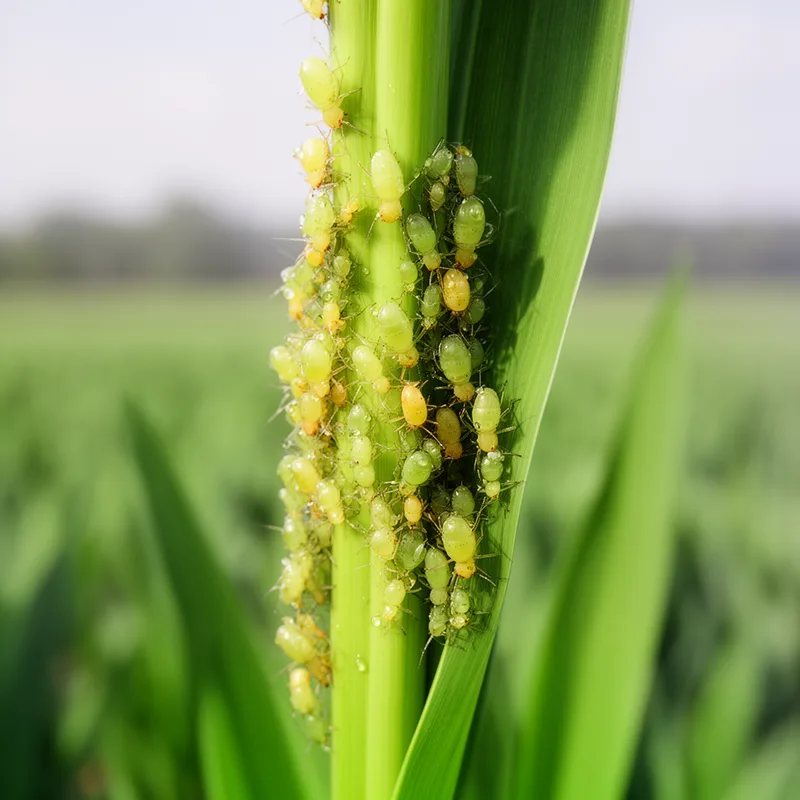
Aphididae
- noun
- /ˌeɪfɪˈdeɪə/
- Specialized
- Aphididae are small insects that often damage crops by sucking sap from plants.
Examples
-
Aphididae are significant agricultural pests due to their rapid reproduction and ability to transmit plant viruses.
-
Control of Aphididae populations is important for maintaining healthy crop yields.
-
Scientists discovered a new species within the Aphididae family in the Amazon rainforest.
-
Wow! Look at how many Aphididae are on that plant!
-
The Aphididae family includes many species that harm crops.
-
Farmers frequently monitor Aphididae to prevent infestations that can ruin their harvest.
-
Researchers are studying Aphididae to understand their role in agriculture and ecosystem health.
Surface Forms
Morphology
Etymology
Aphididae starts with aphid, which comes from an old Greek word aphis meaning 'plant louse', and it ends with the scientific part -idae meaning 'family'. So Aphididae simply means the family of small insects called aphids, the tiny 'plant lice' that feed on plant sap.

