
Anomiidae
- noun
- Specialized
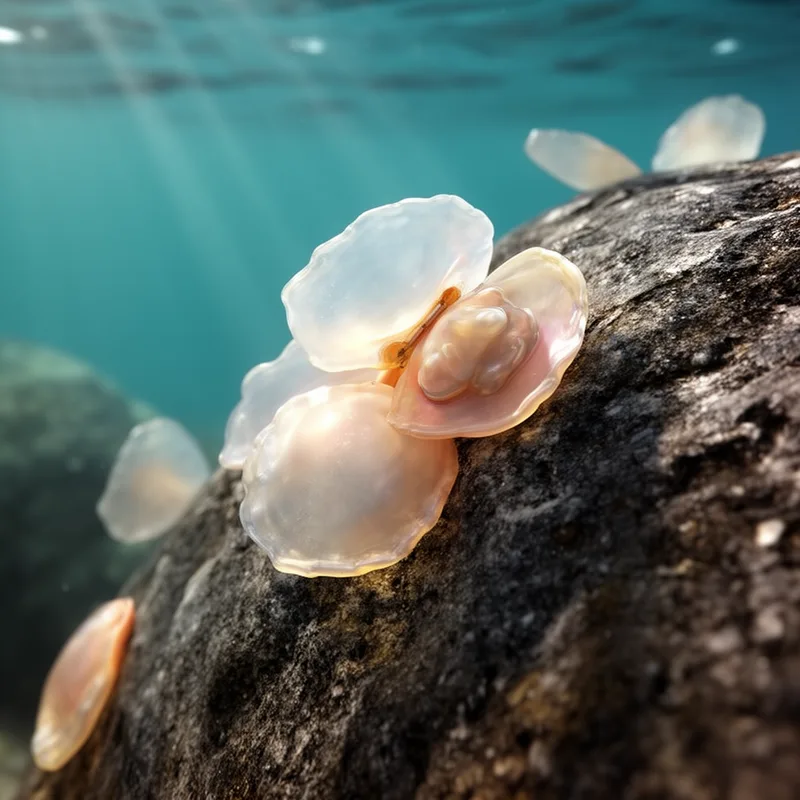
- The shells of Anomiidae are often thin and translucent, clinging to rocks and shells in shallow seas.
Examples
-
Scientists collected several specimens of Anomiidae for their study of coastal ecosystems.
-
Members of the Anomiidae family are sometimes called 'jingle shells' due to the sound they make when shaken.
-
The Anomiidae family includes various species of saddle oysters.
-
Have you ever seen an Anomiidae in the wild?
-
Members of the Anomiidae family are commonly known as saddle oysters, recognized for their thin and irregular shells.
-
Scientists collected various species of Anomiidae to examine their role in marine ecosystems.
-
The Anomiidae are often found attached to rocky surfaces in shallow coastal waters, showcasing their unique shell structure.
Synonyms
A sea animal with two thin shells, one side deeply notched, that clings to rocks
Surface Forms
Morphology
Anomiidae = Anomia (opaque) = Anomia + idae
Formed from the genus name 'Anomia' plus the specialized taxonomic family suffix '-idae', which is not semantically transparent to general learners.
Etymology
Anomiidae comes from the genus Anomia, made from Greek parts a- and nomos meaning 'without' and 'rule', which gives the idea 'irregular'. So these 'saddle oysters' have thin, irregular shells that cling to rocks, and the name helps you remember their uneven shape.

