

Anisoptera
- noun
- /ˌænɪˈsɒptərə/
- Specialized
- The large size and agile flight of Anisoptera make them fascinating insects to observe.
Examples
-
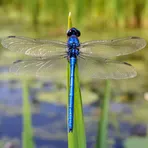
Taxonomists divide the Odonata into three suborders: Zygoptera, the damselflies; Anisoptera, the dragonflies; and Anisozygoptera, a group somewhere in between the two.
-
Many Anisoptera are found near freshwater habitats where their larvae develop.
-
A winged, fire-breathing Anisoptera.
Synonyms
 15
1.4
15
1.4

A fast insect with a long thin body and two pairs of clear wings held out when resting

A group of insects like dragonflies that fly strongly and hold their wings flat when resting
Compounds
- Specialized
A group of insects like dragonflies that fly strongly and hold their wings flat when resting
Surface Forms
Morphology
Anisoptera = aniso + ptera
Formed from Greek combining elements ('aniso-' = unequal, '-ptera' = wings) used in scientific taxonomy; this structure is not transparent to an average B1 learner without specialist knowledge of classical combining forms.
Etymology
Anisoptera comes from Greek parts aniso- meaning 'unequal' and -ptera meaning 'wings'. So the name describes the true dragonflies, which have two pairs of strong, often unequal wings, and the -ptera part is the same as in pterodactyl to help you remember it means 'wing'.