
Ammobium alatum
- noun
- Specialized
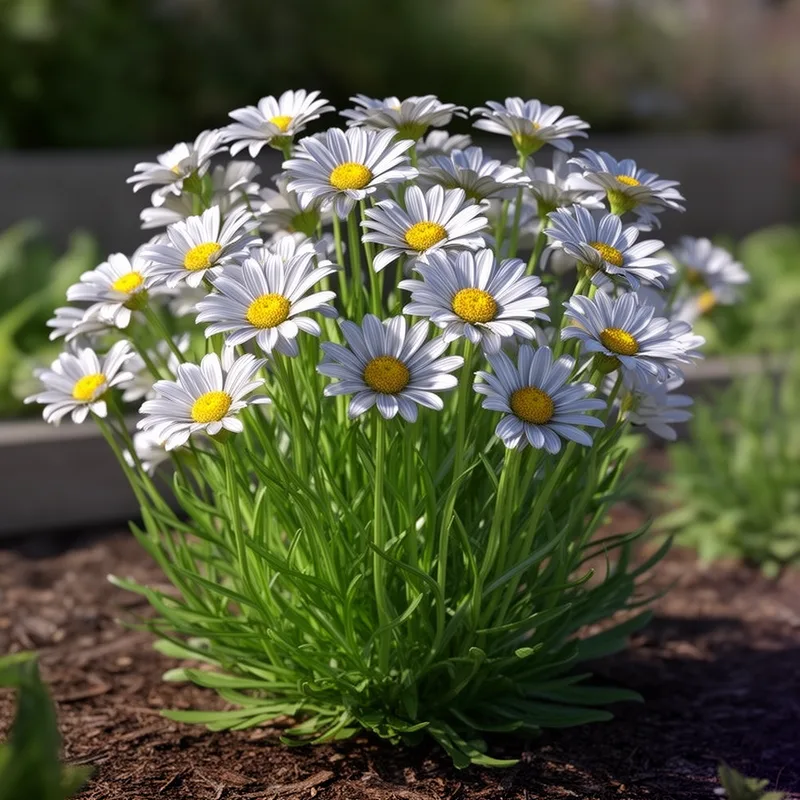
- Ammobium alatum adds a striking texture to gardens with its silvery-white blooms and yellow centers.
Examples
-
The long winged stems of Ammobium alatum make it a popular choice for ornamental borders.
-
Many florists use Ammobium alatum in dried flower arrangements due to its lasting beauty.
-
The Ammobium alatum blooms beautifully in spring.
-
Many gardeners love Ammobium alatum for its striking appearance.
-
Ammobium alatum is known for its silvery-white flowers that brighten up any garden with their vibrant yellow centers.
-
In the summer, Ammobium alatum brings a splash of color to flower beds, attracting butterflies with its beautiful blooms.
-
Gardeners appreciate Ammobium alatum for its unique long winged stems that add elegance to floral arrangements.
Synonyms

A plant from Australia with silvery white flowers, yellow centers, and winged stems
Surface Forms
Morphology
ammobium + alatum
This is a Latin binomial (genus + species epithet) where the first element names the plant (Ammobium) and the second (alatum) is a descriptive epithet meaning ‘winged’ in Latin; if a learner actually knew both constituents they could infer a ‘winged Ammobium’ and relate it to the listed description. However, the species epithet is not an English word and is marked as not found in the dictionary, so a typical B1 learner who knows common English words would not reliably recognise or derive the meaning without prior exposure. Because the meaning is compositional in principle but depends on knowledge of a non‑English lexical item, it is best classified as semi-transparent.
Etymology
Ammobium alatum comes from old words that describe the plant: Ammobium points to sandy places and simple flowers, and alatum means 'winged', a picture of its long winged stems. That's why the name helps you remember the silvery-white blooms with bright yellow centers on long winged stems.

