
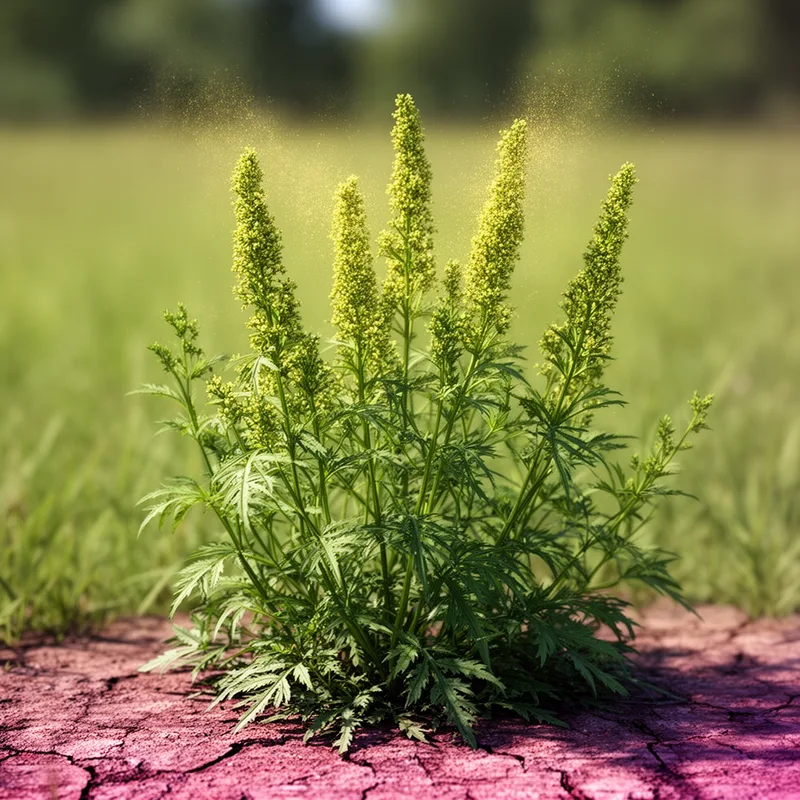
Ambrosiaceae
- noun
- /æmˌbroʊziˈeɪʃiˌi/
- Specialized
- The Ambrosiaceae family includes many species known to cause seasonal allergies.
Examples
-
Ragweeds are perhaps the most infamous members of the Ambrosiaceae.
-
Botanists sometimes separate Ambrosiaceae from the broader Compositae family for classification purposes.
-
The Ambrosiaceae family includes many species of ragweed.
-
Did you know that Ambrosiaceae can cause allergies?
-
Ragweeds are perhaps the most infamous members of the Ambrosiaceae family.
-
The Ambrosiaceae family includes many species known to cause seasonal allergies.
-
Botanists sometimes separate Ambrosiaceae from the broader Compositae family for classification purposes.
Surface Forms
Morphology
Etymology
The word Ambrosiaceae comes from the plant name Ambrosia, from Greek ambrosia meaning 'food of the gods' or 'immortal', plus the botanical ending -aceae that marks a plant family. So Ambrosiaceae is the family of flowering plants named after Ambrosia (the ragweeds), and a helpful way to remember it is to imagine a 'divine' name given to these common plants that often cause allergies.

