
Albuginaceae
- noun
- /ælˌbjuːdʒɪˈneɪʃiː/
- Specialized
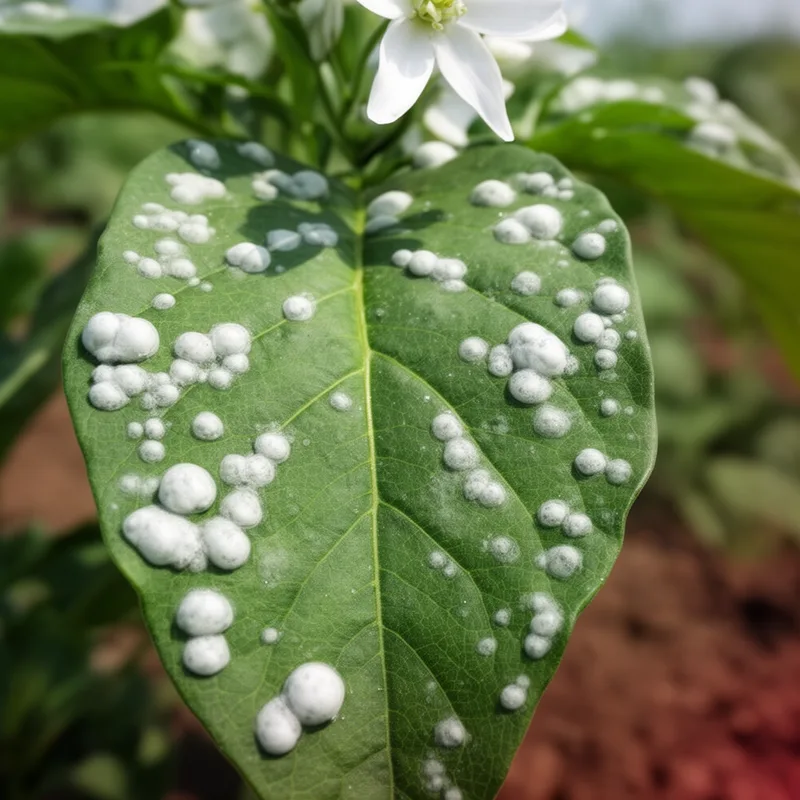
- Members of the Albuginaceae family can cause visible white blisters on the leaves of host plants.
Examples
-
The plant pathologist identified the fungus as belonging to Albuginaceae.
-
In the laboratory, researchers observed the unique sori produced by the Albuginaceae fungi on infected specimens.
-
Some agricultural guides include a section on diseases caused by Albuginaceae fungi.
-
The Albuginaceae family is known for its unique spore structures.
-
Many plants are affected by Albuginaceae fungi.
-
The Albuginaceae family is known for producing white, blister-like structures on the leaves of specific flowering plants.
-
Farmers often monitor their crops for signs of Albuginaceae to prevent damage from these fungi.
Surface Forms
Morphology
Albuginaceae = Albugo (opaque) = Albugo + aceae
Formed from a Latinized genus name plus the specialized scientific family suffix '-aceae', which is not predictable to general learners.
Etymology
The word Albuginaceae comes from the Latin albugo, which comes from albus meaning 'white', and the ending -aceae shows it is a family or group. So Albuginaceae refers to fungi that make white, blister-like spots on plants, which fits the 'white' root.

