
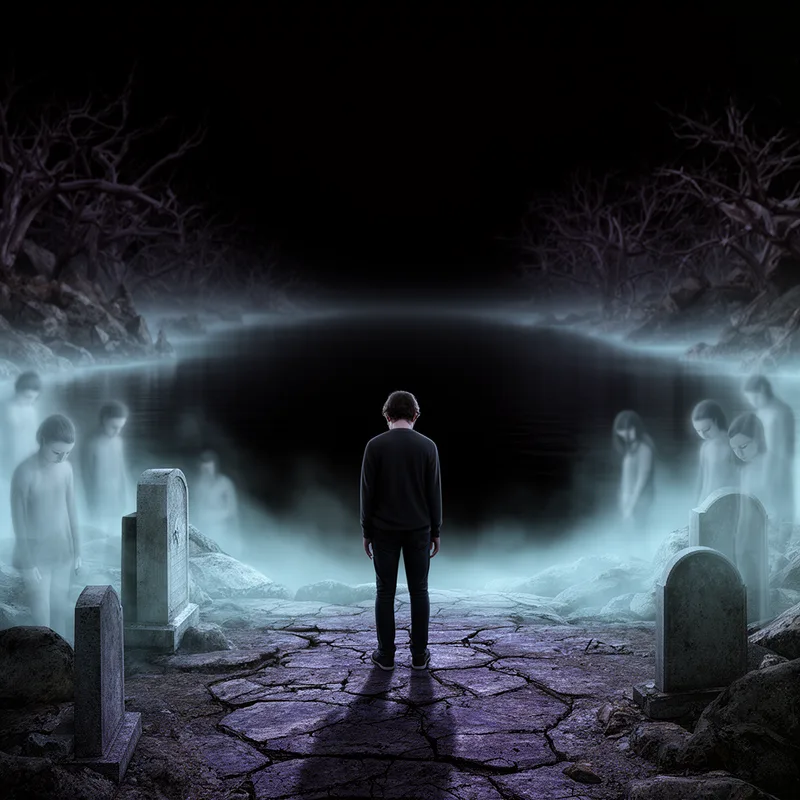
Acherontic theme
- noun
- /ˌækəˈrɒntɪk θiːm/
- Literature
- The novel's Acherontic theme is reflected in its portrayal of lost hope and endless night.
Examples
-
Many critics noted the Acherontic theme running through the artist's latest series of paintings.
-
Many poems utilize an Acherontic theme to convey deep sorrow.
-
Despite the Acherontic themes, the opera ends with a glimmer of redemption.
-
The novel explores an Acherontic theme of despair.
-
The novel's Acherontic theme evokes a sense of hopelessness and despair in the face of darkness.
-
Many critics noted the Acherontic theme present in the artist's latest series of paintings depicting the underworld.
-
Poets often embrace an Acherontic theme to express profound sorrow in their work.
Synonyms

 20
5.9
20
5.9

A theme or idea that appears again and again in stories, paintings and music
Antonyms

How Gloomy
- Literature
 46
3.2
46
3.2
Surface Forms
Morphology
The phrase is a straightforward adjective + noun composition: 'Acherontic' (dark, like the Greek underworld) modifies 'theme' (central subject), so the meaning 'a theme characterized by gloom or underworld darkness' is directly derivable. This follows normal English adjective-noun composition and would be understandable to a B1 learner who knows both constituent meanings, despite 'Acherontic' being a rare word.
Etymology
Acherontic theme comes from the Greek river Acheron in old stories, a river that carried souls into the 'underworld'. So an Acherontic theme means a work feels 'dark', 'gloomy', or full of 'sorrow'.