

Acanthoscelides
- noun
- /ˌækənˈθoʊsəˌliːdiːz/
- Specialized
- The larvae of Acanthoscelides species can cause serious damage to stored beans.
Examples
-
Farmers often struggle with Acanthoscelides infestations.
-
Scientists identified several Acanthoscelides beetles in the crop samples.
-
Research on Acanthoscelides focuses on their impact on agricultural yields.
-
The Acanthoscelides beetle is known for infesting bean crops.
-
The larvae of Acanthoscelides beetles can severely damage legume seeds stored in warehouses.
-
Researchers discovered that Acanthoscelides species are responsible for significant losses in bean production.
-
Farmers must implement strategies to control Acanthoscelides infestations in their fields to protect their crops.
Synonyms
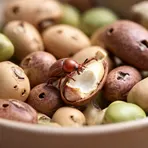
A small insect that eats the seeds of plants like beans or peas

A small beetle that lays eggs in seeds of plants like beans and whose young eat the seeds
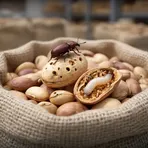
A small beetle whose young live in and eat beans and cause damage
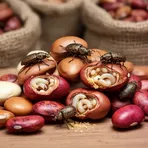
A group of beetles whose young eat seeds of plants like beans

Small seed beetles whose young grow inside seeds and harm crops
Compounds
- Specialized
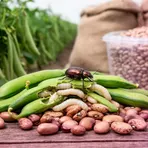
A small beetle whose young eat beans on plants and in storage and damage crops
Surface Forms
Etymology
The word Acanthoscelides comes from Greek parts acantho- 'thorn' and -scelides 'leg' or 'little leg', so it means 'thorn-legged'. That's why the name fits a group of small bean beetles that often have spiny legs or bodies and attack seeds.

