
-ian
- other
- Specialized
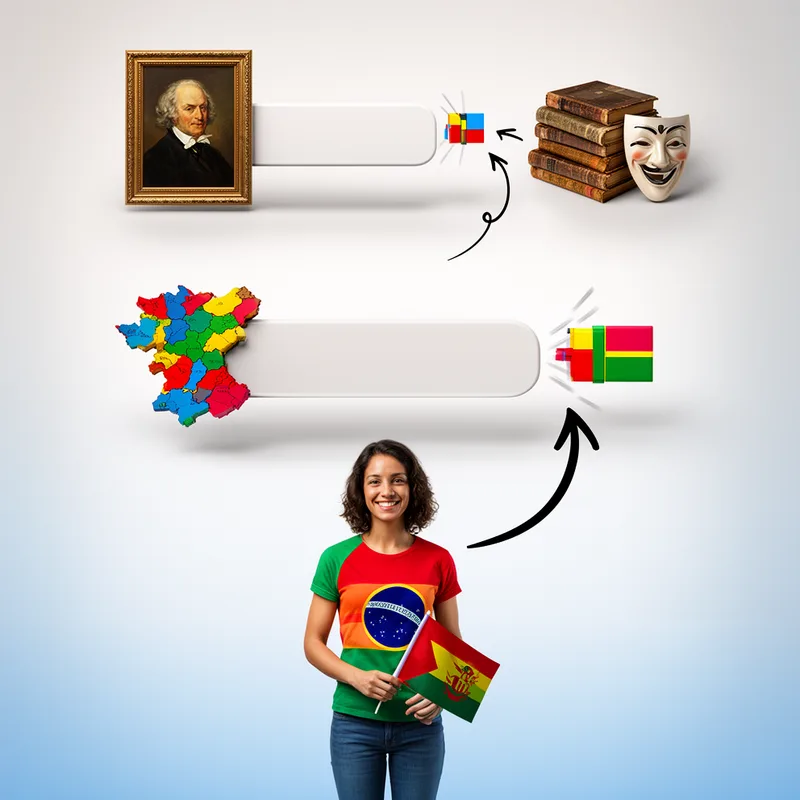
- The word 'Brazilian' uses the suffix -ian to refer to someone from Brazil.
Examples
-
An -ian suffix creates words like 'musician' and 'historian'.
-
Many country names form their demonyms by adding -ian at the end.
-
Adding -ian to 'Shakespeare' creates 'Shakespearean', meaning related to Shakespeare.
-
The word -ian is often added to indicate someone's profession.
-
The word 'Brazilian' uses the suffix -ian to refer to someone from Brazil.
-
Adding -ian to 'Shakespeare' creates 'Shakespearean', meaning related to Shakespeare.
-
Many country names form their demonyms by adding -ian at the end.
Synonyms

 1
9.9
1
9.9

A word ending that makes a noun for a person who does something

Adds to a word to make a noun meaning a person who does or studies something

A suffix that forms nouns naming a person who does a job or has a role
Surface Forms
Etymology
-Ian is a suffix that comes from the old Latin ending -ianus, which meant 'belonging to' or 'connected with'. So when you add -ian to a name you make a word for someone or something 'from' or 'related to' that name, as in Brazilian (from Brazil) or Shakespearean (related to Shakespeare).