
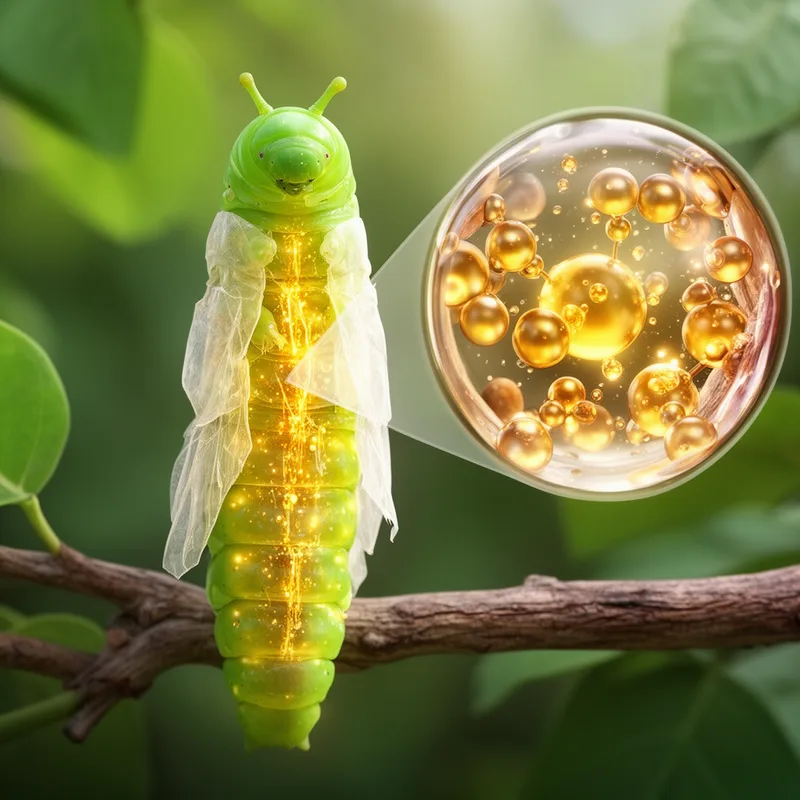
zooecdysone
- noun
- /zuːoʊˈɛkdaɪsoʊn/
- Specialized
- The action of zooecdysone triggers the larva to shed its old cuticle and begin the next stage of development.
Examples
-
Some pesticides work by disrupting the natural effects of zooecdysone in insects.
-
Researchers isolated zooecdysone to better understand how insect growth is regulated by hormones.
-
The zooecdysone levels increased during the molting process.
-
Insects rely on zooecdysone to regulate their growth.
-
The action of zooecdysone triggers the larva to shed its old cuticle and begin the next stage of development.
-
Researchers isolated zooecdysone to better understand how insect growth is regulated by hormones.
-
Some pesticides work by disrupting the natural effects of zooecdysone in insects.
Synonyms


 1
9.9
Hormones in insects and animals like spiders and crabs that make them shed their skin and help them reproduce
Surface Forms
Morphology
zooecdysone = ecdysone (opaque) = zoo + ecdysone + zoo
The term is highly technical and even knowing 'zoo-' and 'ecdysone' does not make the meaning clear to an average learner unfamiliar with biochemical terminology.
Etymology
Zooecdysone joins zoo- 'animal', as in zoo, and ecdysone from a word meaning 'to shed' or 'molt'. So, zooecdysone is an animal hormone, especially in insects, that tells them to shed their old skin and begin the next stage of growth.