

worrier
 8
3.2
8
3.2

- noun
- /ˈwɜːriər/
- As a natural worrier, she often lost sleep over things that might go wrong.
- worriers report
Loading YouTube…
Watch on YouTubeA lot of us call ourselves a warrior, right? Oh, I'm a warrior. You're not a worrier. You have a habit of worrying. That's a very big difference.
- A lot of us call ourselves a warrior, right? Oh, I'm a warrior. You're not a worrier. You have a habit of worrying. That's a very big difference.
Examples
-
I'm a worrier.
-
You are the biggest worrier I've ever known in my whole life.
Fiction book (1996) -
Hey, you got yourself a worrier.
-
Do not be such a worrier.
-
- How you been, you old worrier?
-
For a chronic worrier, it must make a kind of perfect sense.
Fiction book (2000) -
"Your grandma is a worrier, but she's smart," Daddy said.
Fiction book (1999) -
You don't strike me as a worrier, Greg.
-
Jenkins had always been a worrier; even as a child, he could recall worrying about his parents, school, money, friends, and pets.
Academic text (2012) -
She's a worrier.
Synonyms
 5
8.2
5
8.2
A person who often feels anxious about small or unlikely problems
 1
9.5
1
9.5
A person who worries about small details and wants everything neat


 1
7.4
1
7.4
A person who is very worried about small things and cannot relax

A person who worries a lot about small things
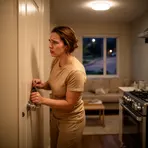
A person who worries about small things for no reason
Antonyms

How Worried

Surface Forms
Morphology
Etymology
The word worrier comes from the word worry plus the ending -er, which means 'one who'. Long ago the word worry could mean 'to choke or grab', and a helpful way to remember it is to think of worry as something that 'squeezes' your mind, so a worrier is someone who often feels anxious.