
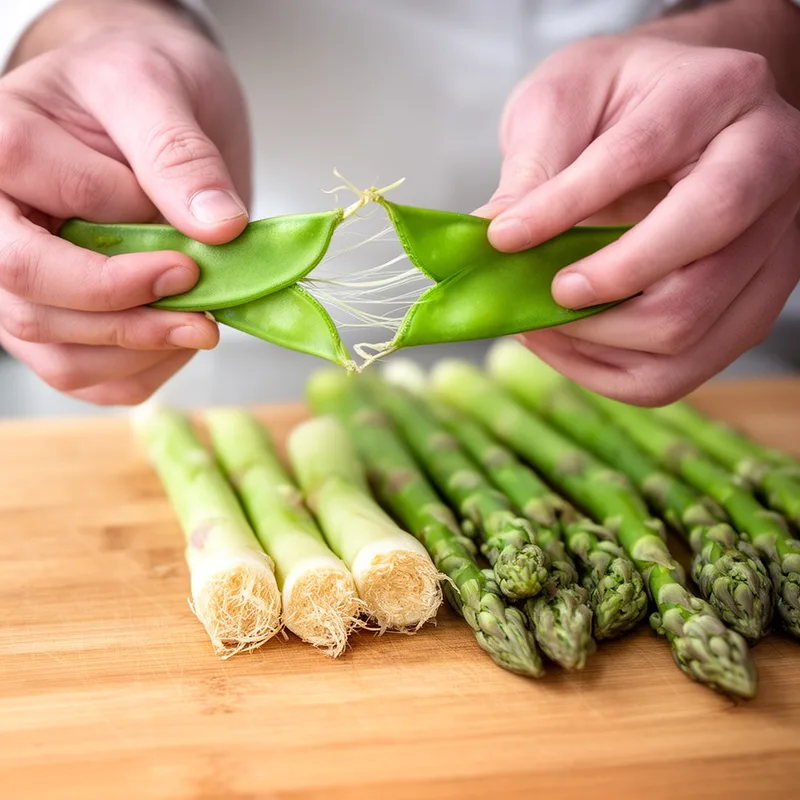
woodiness
- noun
- /ˈwʊdɪnəs/
- Specialized
- The asparagus had a noticeable woodiness near the ends.
Examples
-
Overcooked green beans can develop an unpleasant woodiness in texture.
-
Gardeners often select plants with less woodiness for softer foliage.
-
The woodiness of the furniture gives it a rustic charm.
-
This plant has a noticeable woodiness in its stems.
-
The woodiness of the tree trunk made it clear that it was much older than the others in the forest.
-
Some varieties of vegetables can develop a certain woodiness that affects their texture and taste.
-
The woodiness of the sculpture added a rustic charm that delighted the visitors.
Synonyms


 1
6.4
1
6.4
A rough or not smooth texture caused by many small pieces
A rough texture that is not smooth

A rough, sandy feeling from small hard bits
How Woody
- Specialized

- Specialized
1
3.8
- Specialized
- Specialized
2
6.5
Surface Forms
Morphology
Etymology
Woodiness is formed from wood ('the hard part of a tree') and -ness ('quality'). A helpful image is a vegetable that feels like a little stick or twig; that 'woodiness' shows why we call plants or foods 'woody' when they are hard or coarse.