
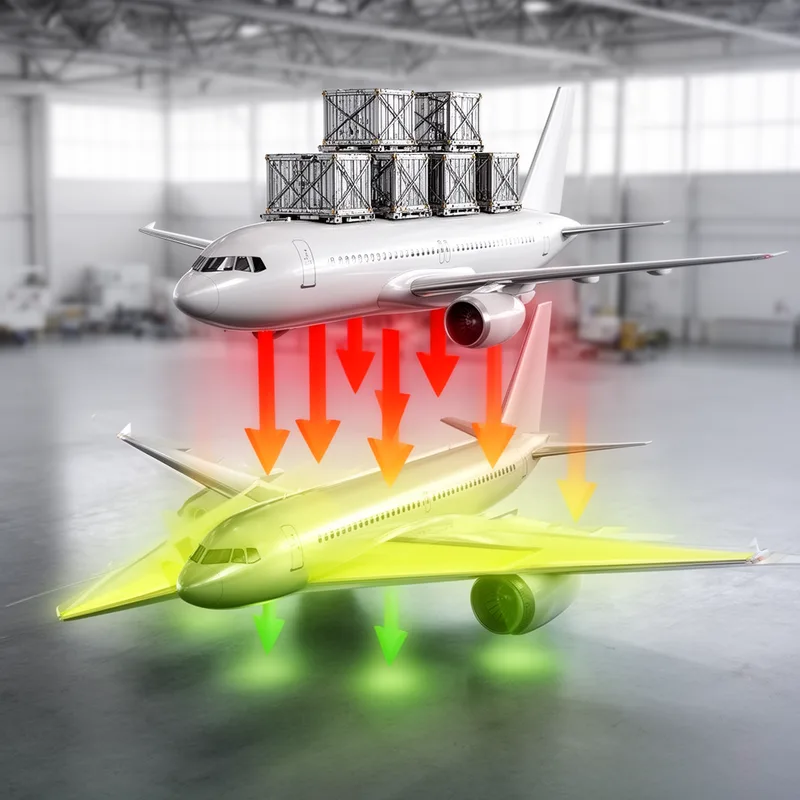
wing loading


 1
8.2
1
8.2
- noun
- /wɪŋ ˈloʊdɪŋ/
- Specialized
- A heavier aircraft with smaller wings will have a larger wing loading and as a result will have a larger turning radius.
Examples
-
For the wing loading under stress!
-
- Gross weight? - 86,000, wing loading of 41 pounds.
-
The wing loading of this aircraft is calculated by dividing its total weight by the area of its wings.
-
A higher wing loading generally results in less maneuverability for an aircraft during flight.
-
Engineers often assess the wing loading to determine an aircraft's aerodynamic efficiency.
Synonyms
 3
7.9
3
7.9
The weight of an airplane that affects its lift
How Strong

Surface Forms
Morphology
The compound is directly compositional: combining 'wing' (the aircraft lifting surface) with 'loading' (the load or weight per area) yields the load borne by the wing, i.e. weight-to-wing-area ratio. Although technical, the meaning follows standard noun+noun formation and is predictable from the constituents, so a learner who knows both words can infer the term.
Etymology
Wing loading The term wing loading comes from the image of weight 'loading' onto a plane's wing, like putting heavy bags on a small table so the table must hold more weight. So wing loading tells how much weight the wings must lift, and that is why it shows how well a plane can take off, land, or turn.