
weediness
- noun
- /ˈwiːdɪnəs/
- Specialized
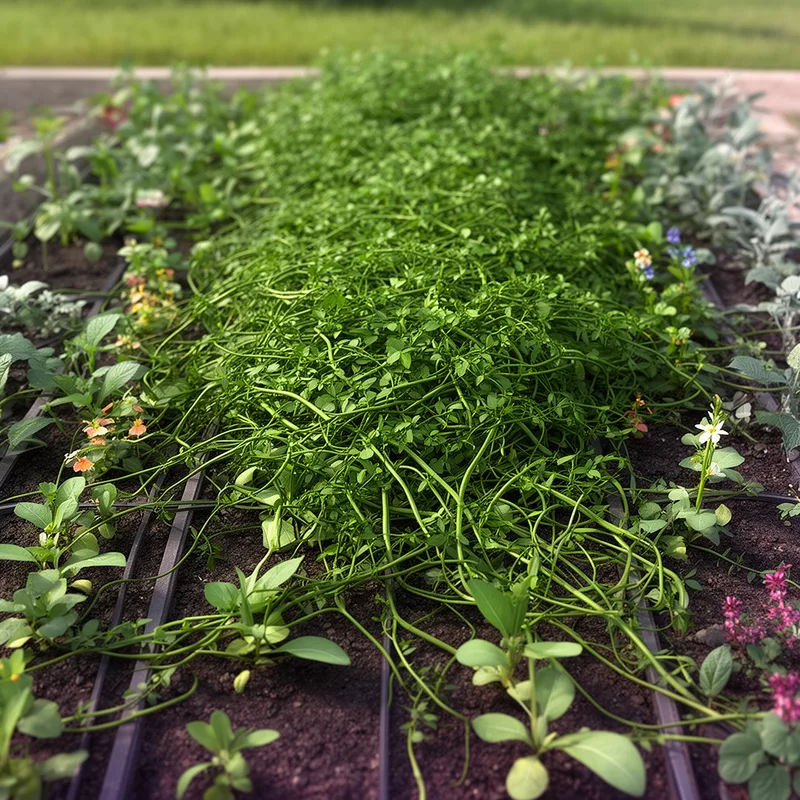
- Invasive species are often characterized by their rapid weediness, overtaking native plants in no time.
Examples
-
The garden struggled with the weediness of invasive plants that choked out the flowers.
-
Therefore, because the assumption of reduced weediness in domesticated biofuels may be unsuitable when screening species introduced for biomass production purposes, this question was answered "no" in subsequent analyses.
Academic text (2008) -
A "yes" response favors acceptance (or reduced risk of invasion), under the assumption that domestication generally reduces the inherent weediness of wild types (Pheloung et al. 1999).
Academic text (2008) -
All major agronomic crops (corn, soybean, wheat, rice) require environmental subsidization through cultivation (i.e., water, nutrients), without which they would not survive, thereby mitigating weediness.
Academic text (2008) -
Farmers often take measures to control the weediness of crops in order to maintain healthy yields.
Synonyms

 2
5.2
2
5.2

A thick unwanted growth of plants covering a place

An untidy look caused by many plants growing out of control
How Invasive
- Specialized

 1
7.8
1
7.8

- Specialized
Surface Forms
Morphology
Etymology
Weediness comes from the simple word weed, which means a 'wild plant' that grows where people do not want it. So weediness is the quality of spreading and taking over like a weed.