
to wawl

to wawl

9.9
To make a long, high, sad noise like crying
  • verb
  • /wɔl/
: lloriquear
  • The baby wawled loudly when her toy was taken away.

Examples

  • The stray cat began to wawl outside my window in the middle of the night.

  • As the ambulance siren approached, the dog couldn’t help but wawl along with it.

  • The dog wawled all night long.

  • Why does that cat wawl so loudly?

  • The dog started to wawl when it was left alone in the yard.

  • Hearing the thunder, the puppy began to wawl in fright.

  • When the vet arrived, the cat began to wawl in protest.

Synonyms

to moan
vsto wawl
194 1.0

To make a low, long sound to show pain, discomfort, or displeasure

is the opposite pitch, being high and whining rather than low and mournful
to squeal
vsto wawl
59 3.0

To make a long, high sound like a pig or excited child

is similar but not always so animal specific in sound source
to howl
vsto wawl
43 2.9

Make a long loud sound like an animal's cry

is usually higher pitched and more like a complaint than a mournful sound
to whine
vsto wawl
39 2.6

To make a long high, unpleasant sound like a machine

adds a howling quality and sometimes a more intense emotional distress
to bawl
vsto wawl
35 5.9

Cry or shout loudly and without control
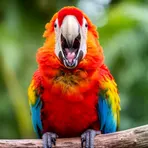
is high pitched and whining, not simply loud shouting without pitch focus
to squawk
vsto wawl
33 4.7

To make a loud, harsh cry like a bird
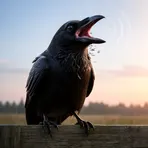
is more whining and distressed in tone rather than sudden harshness
to caw
vsto wawl
13 7.1

To make a harsh, loud cry like a crow or raven

is more plaintive and high pitched, expressing complaint rather than bird calls
to meow
vsto wawl
13 1.0

To make the short sound a cat makes

is broader, used for both animals and people making high whining sounds
to mewl
vsto wawl
6 9.9

To cry in a small, weak voice like a kitten or baby

is louder and more high pitched, showing stronger complaint or distress
to caterwaul
vsto wawl
  • Literature
4 9.8

To make a loud high pitched unpleasant crying sound like a cat

is closer to whining in tone rather than continuous loud wailing
to squall
vsto wawl
3 7.2

To make a loud high sound like a baby or bird
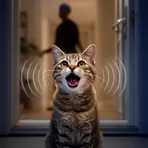
leans more toward whining or howling tones rather than abrupt harshness
to miaow
vsto wawl
  • UK
1 1.9

To make the short high sound cats make

is more general and often louder, showing clear complaint or distress
to yawp
vsto wawl
1 9.9

Make a loud, rough sound like a shout to show anger or complaint

is higher pitched and more plaintive rather than rough or raucous
to waul
vsto wawl
  • Archaic
1 9.9

To make a loud, high, sad sound like a cat's cry
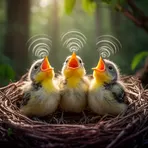
is similar but applies to people or animals generally when distressed
to wheep
vsto wawl
1 9.9

To make a short high whistling sound like a small bird

lasts longer and shows sustained whining or howling rather than a short sound
to yow
vsto wawl
  • Informal
9.9

To let out a loud cry because of pain, surprise, or alarm

is more about ongoing whining or howling, not a sudden sharp cry

How Loud

to howl
66 2.6
wail
19 3.2
to wawl
9.9
to whine
  • Informal
253 2.8
to whimper
88 3.3

Surface Forms

wawl infinitive
wawled past
wawled past participle
wawling present participle
wawls third person singular

Etymology

Wawl is a word that copies a sound, like wail and yowl, and was formed to imitate a high, whining cry. So, think of a baby or a lonely animal making a long, unhappy noise — that's why wawl means 'to make a high-pitched, complaining or howling sound'.