
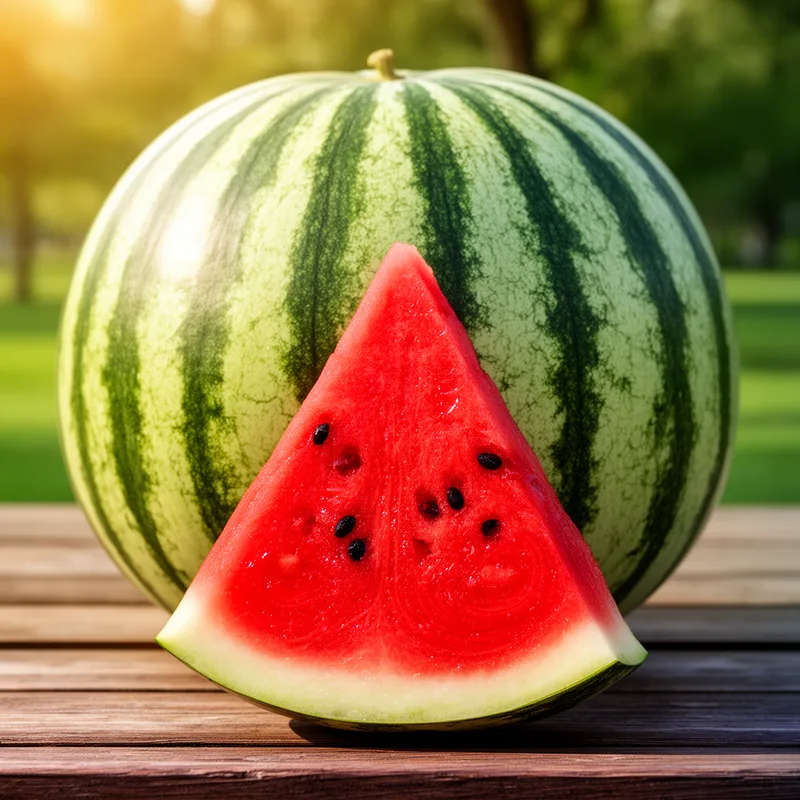
watermelon
 89
1.0
89
1.0

- noun
- /ˈwɔːtərˌmɛlən/
 :
sandía
:
sandía
- She chose a bright green watermelon because it looked ripe and sweet.
- consumption of watermelon
- watermelon varieties
- watermelon and other melons
And this is the striped Klondike blue ribbon watermelon now.
- And this is the striped Klondike blue ribbon watermelon now.
- We now have Walmart watermelon, which is similar.
- I don't know how to tell when watermelons are like good.
- It's light brown, but it has stripes like a watermelon on its big fat part.
- Mommy puts pepper on her watermelon instead.
- But other fruits like grapes, apples, watermelon, those are fantastic choices.
- This is the new Sour Patch Kids X Morphe watermelon slice flavor.
- Click here and bigger can take watermelon from baby.
- Really smells like kind of a watermelon type scent.
Examples
-
We went to a stone church and ate watermelon among our great-grandparents' tombstones.
Fiction book (1991) -
Would you rather have a seedy watermelon or a seedless watermelon?
-
Hey, Vic, you want some watermelon?
-
Look at the size of these watermelons, they are huge.
-
Uncle Lofton told my brother and me to go to the watermelon patch and bring a watermelon.
Fiction book (1993) -
In that part of Texas, there were miles and miles of watermelons we'd drive through.
Fiction book (1992) -
And this is the striped Klondike blue ribbon watermelon now.
-
And it smells like watermelon Jolly Ranchers.
-
On a hot summer day, a cold slice of watermelon is incredibly refreshing.
-
At the picnic, everyone enjoyed the delicious watermelon after the barbecue.
Synonyms
 957
1.0
957
1.0
An edible part of a plant like an apple or orange
 86
1.0
86
1.0
A large round or oval fruit with thick skin and soft sweet inside like a watermelon
Compounds


How Ripe

Surface Forms
Morphology
Etymology
The word watermelon is made from the two simple words water and melon, meaning a melon 'full of water'. That is why a watermelon is the large, round fruit known for its very juicy, watery flesh.