
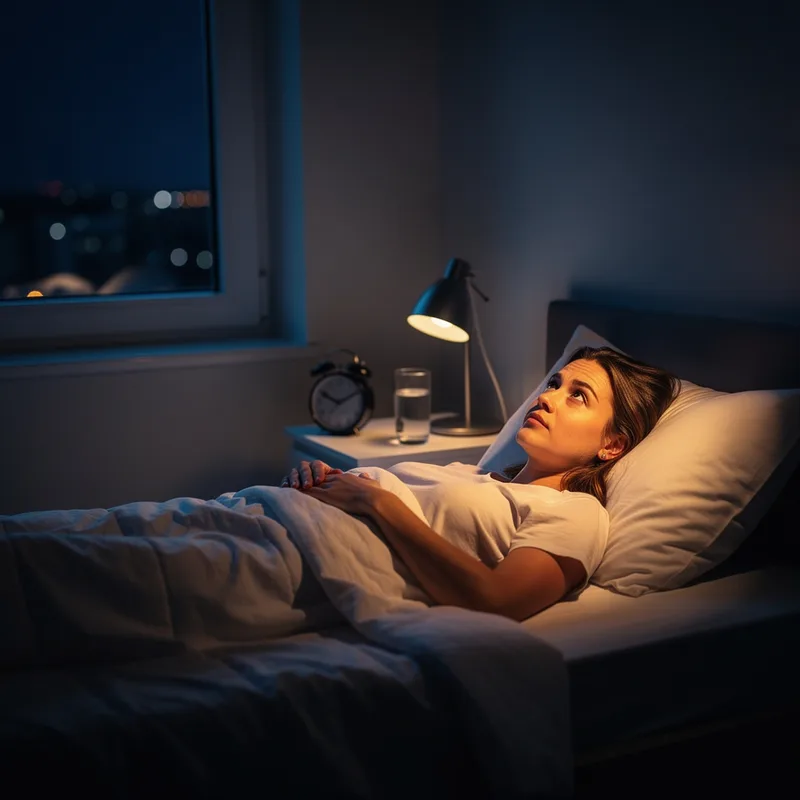
waking
 3
2.5
3
2.5

- noun
- /ˈweɪkɪŋ/
- Sleepiness Affects Waking Performance, Vigilance, and Mood.
- frequent wakings at night
Loading YouTube…
Watch on YouTubeSo things are happening during waking that allows wakefulness to be waking.
- So things are happening during waking that allows wakefulness to be waking.
- Once that break in life is intervened, there is no more waking.
Examples
-
Our son is similar with respect to naps and morning wakings.
Blog text (9) -
We did start responding to cries in the night too fast, and the wakings got worse for about a week.
Blog text (9) -
What what should I spend my waking hours learning?
-
So sleep brain waves and waking brain waves are different.
-
But Jesus, don't spend most of your waking hours feeling like a victim.
-
It is every day, all waking hours.
-
But I mean, the average person spends many waking hours staring at screens right now.
-
I want to spend every waking minute of my life with Shadow Kumara.
-
During my waking hours, I enjoy reading and exploring new ideas.
-
She spends her waking time volunteering at the local shelter.
Synonyms
 4
4.7
4
4.7
A period when you are not sleeping, often because you cannot fall asleep at night

Being awake when you would normally be asleep
Antonyms

Compounds

How Awake

Surface Forms
Morphology
Etymology
Waking comes from the old English verb wacan, which meant 'to wake' or 'rise'. Think of the common words wake and awake—they all point to being not asleep, so waking as a noun is the state of being awake.