
wagoner

wagoner

1 9.1
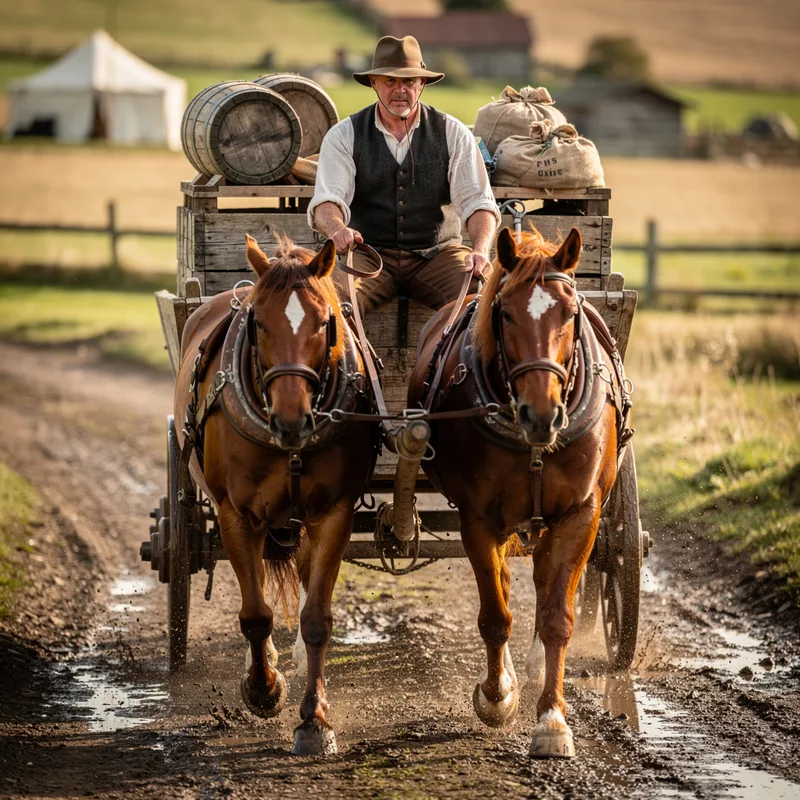
A person who drives a cart pulled by horses to carry goods
  • noun
  • /ˈwæɡənər/
  • Archaic
translation icon : carretero
  • Regardless of his orders, Jed helped when and where he could, sometimes throwing a shoulder to the wheel of a stuck wagon or stopping to assist those who had fallen or gathering fat pine to burn in the wagoner's stone to make pitch for lubricating the wheels.

Examples

  • Since Minna had remained dependent on male household members for contacts with people beyond the town center, she probably met the man through her brother, who was also a wagoner.

    Academic text (1990)
  • Never working outside the home, Minna married a wagoner six years later at the age of eighteen.

    Academic text (1990)
  • The wagoner skillfully guided his team of horses on the dusty road.

  • As a wagoner, she transported goods between the town and the market every week.

  • The experienced wagoner knew the best routes to avoid rough terrain.

Synonyms
trucker
vswagoner
  • US
69 3.4

A person who drives a truck to carry goods over long distances
performs the transport role using animal-drawn vehicles rather than motor trucks
truck driver
vswagoner
  • US
67 1.2

A person who moves goods long distances in a large truck

does the same occupational transport but with an animal-pulled vehicle rather than motor vehicles
driver
vswagoner
53 5.8

A person who guides animals that pull a carriage or wagon

is responsible for the whole vehicle and its care rather than only animal control
coachman
vswagoner
  • Archaic
11 9.5

A man who drove a horse-drawn carriage in the past
focuses on goods vehicle driving and management rather than passenger transport
hauler
vswagoner
  • US
10 4.1

A person or company that moves goods by truck on roads
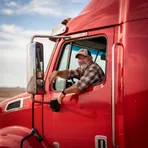
is the historical or specific role managing an animal-pulled vehicle rather than modern haulage
teamster
vswagoner
  • US
9 6.6

A person who drives a truck for a living, often a member of a drivers union
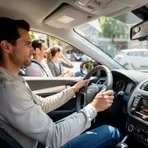
is similar in job but refers to animal-pulled vehicle operation rather than motor trucks
wheelman
vswagoner
2 6.8

The main person who drives a car or boat for other people
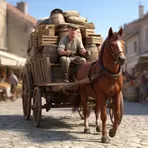
is mainly about operating and managing an animal-pulled transport vehicle rather than general steering
carter
vswagoner
  • Archaic
1 8.9

A person who drives a cart to move goods

handles larger vehicle operation and overall management rather than small cart work
carman
vswagoner
  • Archaic
1 9.9

A person who drives a horse cart to move goods
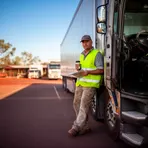
is focused on driving and managing the vehicle as an occupation
truckie
vswagoner
  • UK
1 9.4

A person who drives a truck for a living, usually in Australia or the UK
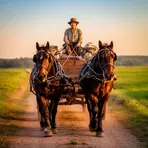
is the regular occupational term for managing an animal-pulled vehicle rather than motor trucks
teamer
vswagoner
  • Archaic
9.9

A person who drives animals like horses to pull a wagon or plough

is the person who manages the vehicle itself rather than mainly controlling animals
coachmaster
vswagoner
  • Archaic
9.9

A person who drives and looks after a horse-drawn coach
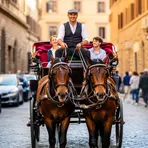
is the hands-on operator and manager of the vehicle rather than only supervising others
vetturino
vswagoner
9.9

A person who drives a horse-drawn carriage for hire

is more focused on moving goods and managing the vehicle than carrying passengers
drayman
vswagoner
  • Archaic
9.9

A person who drives a low cart to deliver goods, especially beer
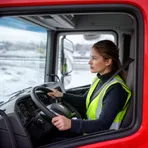
is a general vehicle operator and manager, not limited to specific goods like beverages
truckster
vswagoner
  • US
7.4

A person who drives a truck for work

is the historical animal-drawn vehicle operator, not a motor vehicle operator
vanner
vswagoner
7.9

A person who sells or delivers things from a van

focuses on operating an animal-pulled transport vehicle rather than selling from a van
wheelsman
vswagoner
  • Formal
8.3

A person who drives a vehicle in a parade or formal event

is used for regular occupational vehicle operation rather than ceremonial steering duties

How Experienced

teamster
  • Archaic
2 7.9
driver
53 5.8
wagoner
  • Archaic
1 9.1
assistant
833 1.0
novice
46 3.4

Surface Forms

wagoner singular
wagoners plural

Morphology

wagoner = wagon (transparent) = wagon + er

The word transparently combines 'wagon' with the agentive suffix '-er' to mean a person associated with driving or managing a wagon.

Etymology

The word wagoner comes from the simple word wagon, a 'vehicle pulled by horses', plus the ending -er, which means 'a person who does something'. So a wagoner is someone who drives or manages a wagon.