

waggon
- noun
- /ˈwæɡən/
- Archaic
- A large waggon filled with fresh produce arrived at the market this morning.
Loading YouTube…
Watch on YouTubeHe slipped when it was raining and a horse and wagon, I guess, ran over him and killed him.
- He slipped when it was raining and a horse and wagon, I guess, ran over him and killed him.
- And I was so I wanted to see that the history of wagons.
- So when the train came, they soldiers came and rushed everybody into the the wagons which are there.
Examples
-
Men, women, children of people on the move, massive lines of wagons and beasts of burden carried their possessions.
-
I hear a shopkeeper's pulled into town with a waggon full of whisky.
-
The reason we run a wagon, guys, is because there is so many things that we end up buying.
-
And like we, we used to let my daughter sleep in the wagon and we put pillows in it.
-
We know that they came on boats and on wagons with their families and all of their worldly possessions.
-
He stole away in the wagon with him, and they had to send the wagon back because they didn't own it.
-
No, they used oxen because they could pull these wagons through the water in the sand and whatnot.
-
We brought shovels, blowers, wagons, containers, hedge trimmers, all kinds of goodies.
-
There were shanty towns among the tombs, complete with Taverns Jerry built, hotels and staples for the horses and wagons of travelers.
-
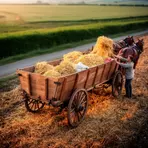
The farmer loaded his tools onto the waggon before heading to the field.
Synonyms

Compounds

- UK


 1
6.2
1
6.2
A vehicle like a truck that carries water to give to people or to spray on roads

- UK
A car with a long body and back door with extra space behind the back seat for bags or people
How Big

Surface Forms
Etymology
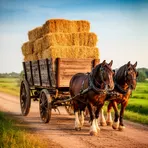
The word waggon comes from an old German word wagen, which means 'cart' or 'vehicle'. Originally it meant a heavy four-wheeled cart pulled by animals, which is why we still use waggon for a large vehicle used to carry goods.