

wacko
 68
8.9
68
8.9

- noun
- /ˈwækoʊ/
- Offensive
- My neighbor is a total wacko who believes the moon landing was staged.
- a bunch of wackos
- call someone a wacko
- a real wacko
Loading YouTube…
Watch on YouTubeThese wackos at the top, they have ignored you.
- These wackos at the top, they have ignored you.
- Her point is that this is a stranger, and it could have been some wacko that really took things too far.
- A lot of people like this, like the lowest moment or one of them with like these wackos storming the fucking capital and he's doing a TikTok dance.
Examples
-
Being an artist was uncommon enough; she wasn't about to let herself be labeled as wacko, too.
Fiction book (1999) -
" We get these people all the time who call with wacko theories."
Fiction book (1996) -
How much of a wacko is this guy?
-
And probably every year around this time, he goes a little wacko.
-
Her point is that this is a stranger, and it could have been some wacko that really took things too far.
-
So what you're saying is this guy's a total wacko, right?
Fiction book (1995) -
The guy's a wacko!
-
She's in town, like, 2 minutes, and already she's got a job working with a bunch of wackos.
-
Hey, Eddie Mack don't like no wackos on his street.
Fiction book (2001) -
See, we Catholics don't have the real wackos, just a few over-the-top complainers who lost an election.
Blog text (16)
Synonyms
 119
7.0
119
7.0
A person who acts in a strange or unusual way
 52
8.6
52
8.6
A person who behaves very strangely and may be dangerous
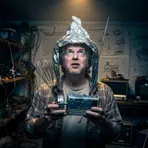 40
8.2
40
8.2
A person who has strange or unrealistic ideas
 35
8.8
35
8.8
A person who behaves in a very strange or wild way
 14
9.7
14
9.7
A person who behaves in strange or silly ways
 4
8.6
4
8.6
A person who acts in a silly or strange way
 3
9.9
3
9.9
A person who acts foolishly or oddly
 1
8.8
1
8.8
A person who acts in a way that seems crazy

A person who behaves in a very strange and unreasonable way that worries others

A person who acts in a silly, playful way
Antonyms


Compounds

How Crazy

Surface Forms
Morphology
Etymology
Wacko comes from the informal word wacky, which means 'crazy' or 'strange', plus the slang ending -o. So a wacko is someone seen as 'crazy' or odd, which matches how we use the noun today.