

volcanic
 1
4.1
1
4.1

- noun
- /vɑlˈkænɪk/
- Specialized
- The scientist studied the volcanic rock formations to understand the area's geological history.
Examples
-
It is a road, but as far as the eye can see, it's just raw black volcanic rock.
-
Now volcanic rocks in particular form like this one here, this is a volcanic rock.
-
Now here we have a roll of volcanic rock paper.
-
I like the fact that it's it looks like volcanic rock, like a pumice stone.
-
Well, perlite is an expanded volcanic rock that is really, really lightweight.
-
There's a lot of volcanic rock and this rock actually is buildable material as well.
-
It's actually a volcanic rock that's been expanded and it crushes very easily.
-
And so his grandmother bought these caves and now they're used for cheese, and they were carved in volcanic rock with pickaxes.
-
You've got these volcanic rock formations where there's all these crevasses, crevasse and tunnels.
-
During the hike, we encountered various volcanic rocks that showed evidence of past eruptions.
Synonyms
 4
3.6
4
3.6
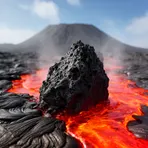
A hard rock made when hot melted rock cools on or near the Earth's surface
Compounds

- Specialized
4
3.6
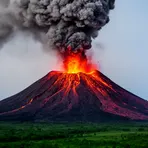
A hard rock made when hot melted rock cools on or near the Earth's surface
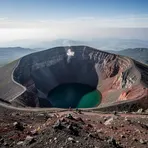


A national park in northern California with volcanoes, lakes, and hot springs

Surface Forms
Etymology
The word volcanic comes from volcano, the place linked to the Roman fire god Vulcan. It is used for the rock and material left by eruptions, such as 'lava' and ash.