
vital organ
 14
3.0
14
3.0

- noun
- /ˈvaɪtəl ˈɔrɡən/
- As you can clearly see, her wounds have damaged no vital organs.
Loading YouTube…
Watch on YouTubeThis is, you know, surrounding my vital organs around the heart.
- This is, you know, surrounding my vital organs around the heart.
- Blood pools from all your extremities your to your vital organs right.
Examples
-
There was significant trauma to the head and vital organs.
-
Your body gets so hot, your liver, your kidneys, all your vital organs melt, and your skin turns into tapioca pudding.
Fiction book (1995) -
But to do this, we must have the vital organs!
-
It's a chemical issue in a vital organ and needs treatment.
Blog text (23) -
When these chemicals end up in animals, vital organs are affected.
Academic text (2012) -
His body's sending all his blood to his vital organs.
-
Your heart just isn't pumping enough oxygen to keep your vital organs alive.
-
As of Dec. 22, 1993, there were 33,250 people on the waiting list for vital organ transplants.
Academic text (1994) -
Despite widespread public recognition of the need for organ donors, there is an acute shortage of vital organs that can be transplanted.
Academic text (1994) -
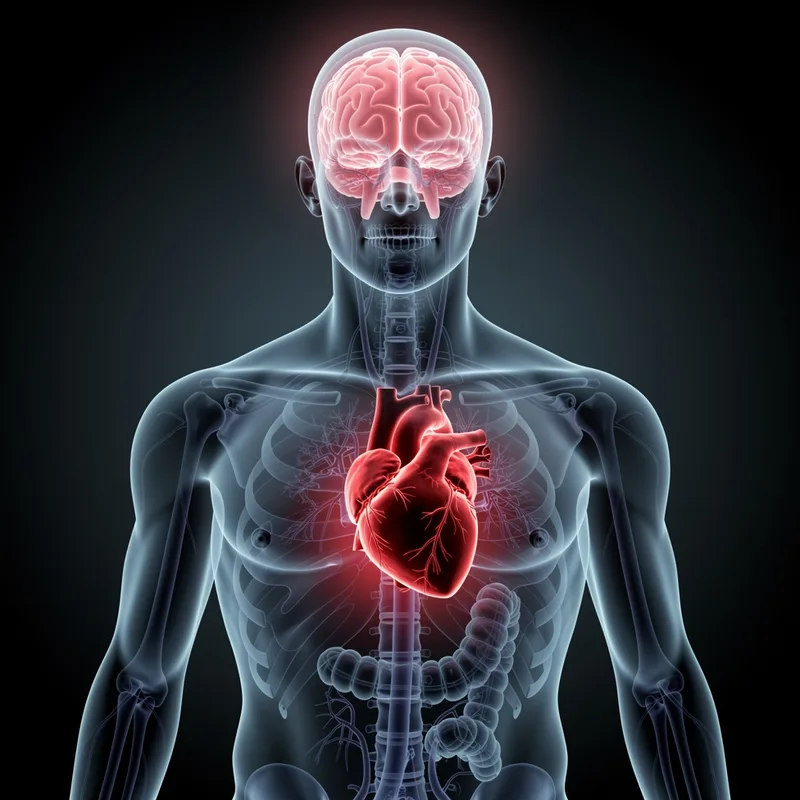
The heart is a vital organ that pumps blood throughout the body.
Antonyms

How Vital


Surface Forms
Morphology
The meaning 'an organ necessary for life' is directly and transparently derived from combining 'vital' (necessary for life) with 'organ' (a body part performing a function). This is a straightforward compositional adjective + noun phrase and is cross-linguistically common, so a B1 learner who knows both constituents will readily understand the MWE.
Etymology
The phrase vital organ comes from the idea that vital means 'life' and organ means a part of the body that does a job. It gives a clear picture of a part that keeps you alive, like the heart or lungs, so it means 'an organ necessary for life'.