

viridity
- noun
- /vɪˈrɪdəti/
- Literature
- Painters often seek to capture the viridity of meadows in their landscapes.
Examples
-
The lush viridity of the forest was breathtaking after the spring rains.
-
The viridity of the forest was breathtaking.
-
In summer, the viridity of the fields signals the land's fertility.
-
I love the viridity of spring.
-
The viridity of the freshly cut grass made the garden look vibrant and alive.
-
In spring, the viridity of new leaves brings a refreshing change to the landscape.
-
As the sun set, the viridity of the fields created a picturesque view.
Synonyms

 130
1.0
130
1.0

A color between blue and yellow like fresh grass

A color like fresh grass
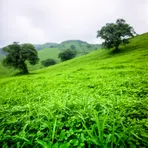
A rich green covering of plants on land
Antonyms

How Green

Surface Forms
Morphology
viridity = virid (semi-transparent) = virid + ity
The noun is formed regularly from the adjective 'virid' with the productive suffix '-ity', but 'virid' is rare/archaic so the base is unlikely to be known to an average learner.
Etymology
Viridity comes from the Latin word viridis, which means 'green', and is like the English word verdant. So viridity simply names the 'greenness' of grass, leaves, or fields.