

viral hepatitis
 1
3.2
1
3.2

- noun
- /ˈvaɪrəl ˌhɛpəˈtaɪtɪs/
- Specialized
- Thanks in part to water pollution, viral hepatitis and dysentery top the list of infectious diseases in China.
- viral hepatitis infection
Examples
-
The majority of HCC cases worldwide are related to chronic viral hepatitis and hepatitis B virus (HBV) infection.
Academic text (2017) -
Inflammation compatible with viral hepatitis was shown in 8 of 9 patients with chronic infection for whom liver biopsy specimens were available.
Academic text (2012) -
Sexual contact is a common route of viral hepatitis infection, and infection is accordingly more likely to occur during the period of sexual activity.
Academic text (2012) -
There is no vaccine for HVC, and a person who has hepatitis C can still get other types of viral hepatitis.
Academic text (2005) -
Previous studies have reported that GBV-C and HGV are associated with post-transfusion hepatitis, chronic viral hepatitis, and cryptogenic hepatitis.
Academic text (1996) -
Risk-reduction counseling provided to participants was pertinent to HIV/AIDS, viral hepatitis, and other STDs, as well as referral information to community-based drug treatment and social services.
Academic text (2009) -
In parts of Asia, viral hepatitis, or inflammation of the liver, is a widespread health problem.
-
Thanks in part to water pollution, viral hepatitis and dysentery top the list of infectious diseases in China.
-
The majority of HCC cases worldwide are related to chronic viral hepatitis and hepatitis B virus (HBV) infection.
Synonyms
 80
4.6
80
4.6
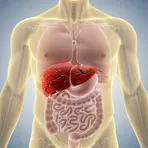
A disease that makes the liver swollen and damaged, usually from a virus or harmful chemical

A short, often mild liver illness caused by a virus and spread by dirty food or water
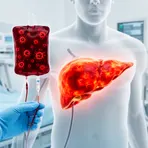
A liver infection caused by a virus that spreads through blood or body fluids and can remain in blood
Surface Forms
Morphology
The meaning is directly and compositionally derived from the constituents: 'viral' (caused by a virus) modifies 'hepatitis' (liver inflammation), yielding 'hepatitis caused by a virus'. This adjective + noun pattern is regular and cross-linguistically common, so a B1 learner who knows both words will readily infer the MWE meaning.
Etymology
Viral hepatitis simply describes the illness: hepatitis means a sickness of the 'liver' and viral says a 'virus' causes it, so it means 'liver sickness caused by a virus'.