
viper's grass
- noun
- The medicinal properties of viper's grass were well-known in ancient herbal treatments.
Examples
-
When researchers measured the pit vipers' alleles at the screened sites, they were surprised to find they were all identical to the mother, with no evidence of a father.
Blog text (13) -
Booth and colleagues were able to use the fact that virgin birth leads to offspring with similar, if not identical, genes to confirm whether the pit vipers' progeny were created by one lonely female or frisky fathers.
Blog text (13) -
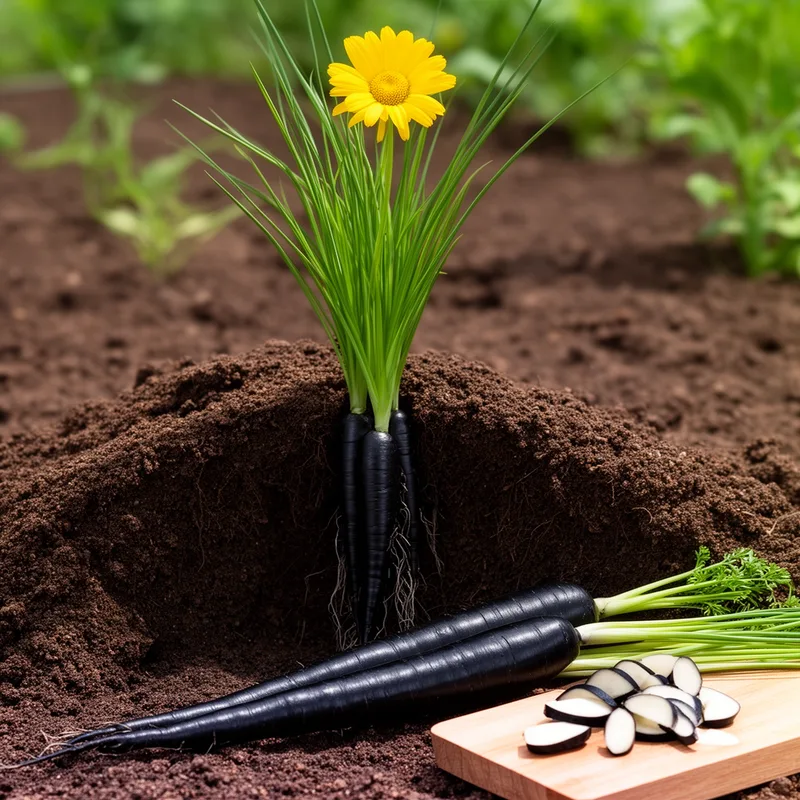
Scorzonera hispanica, commonly known as viper's grass, is often used in salads for its long edible roots.
-
Many garden enthusiasts grow viper's grass because of its unique flavor and nutritional benefits.
Synonyms

A European plant with long black roots that you can eat like a carrot

A European plant with long black roots you can eat

A plant with long black roots that you eat as a vegetable
Surface Forms
Morphology
viper's + grass
Although a learner who knows 'viper' (a snake) and 'grass' (a plant) might infer this is some plant associated with vipers, they would not be able to derive the specific botanical meaning — a perennial with long edible black carrot-like roots — from the constituents. 'Viper's grass' is a conventional common name whose detailed referent is arbitrary/historical rather than compositional, so its full meaning is not predictable for a B1 learner.
Etymology
Viper's grass may get its name from the plant's long dark roots that look like little 'vipers'. One popular story says people once used the plant to treat snake bites, so the name links the plant to snakes.

