

villus
 1
8.8
1
8.8

- noun
- /ˈvɪləs/
- Specialized
- Damage to the villus can lead to malabsorption of essential nutrients.
- intestinal villus
- villus length
Examples
-
The crypt for secretion in the duodenum is more developed, and the villus of the jejunum and ileum, which is more important for digestion and absorption, is easy to damage.
Academic text (2015) -
Hematoxylin and eosin (H&E) staining of 5 µm cross-sections was performed to assess changes in the villus morphology.
Academic text (2015) -
You don't have villi, but you do still have these crypts.
-
Both villus length and mucosa thickness were superior to those of the HS group.
Academic text (2015) -
The lumens up here, this is the villus and the cells are going to shed off into the lumen and be removed from the organ system.
-
These results might be caused by the more serious crypt damage in the duodenum and more serious villus damage in the jejunum and ileum.
Academic text (2015) -
The numbers of macrophages per cross-section were counted and averaged to macrophages per villus.
Academic text (2015) -
The villus in the small intestine plays a crucial role in nutrient absorption.
-
Each villus contains tiny blood vessels that help transport absorbed nutrients.
Compounds
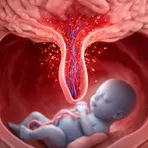
- Specialized

 1
9.9
1
9.9
A small finger-like growth on the fetus that helps pass food and oxygen from the mother to the developing baby

- Specialized
1
7.9
A test in early pregnancy that takes a small tissue sample from the placenta to check for genetic problems

- Specialized
A medical test in early pregnancy that takes a small tissue sample from the placenta to check the baby's genes
How Big

Surface Forms
Etymology
Villus comes from Latin villus, meaning 'tuft of hair'. That's why villi are tiny, hair-like, finger-shaped parts on the inside of the small intestine that increase the surface area to help absorb nutrients.