
vermiculite
 1
9.6

- noun
- /vərˈmɪkjʊˌlaɪt/
- Specialized
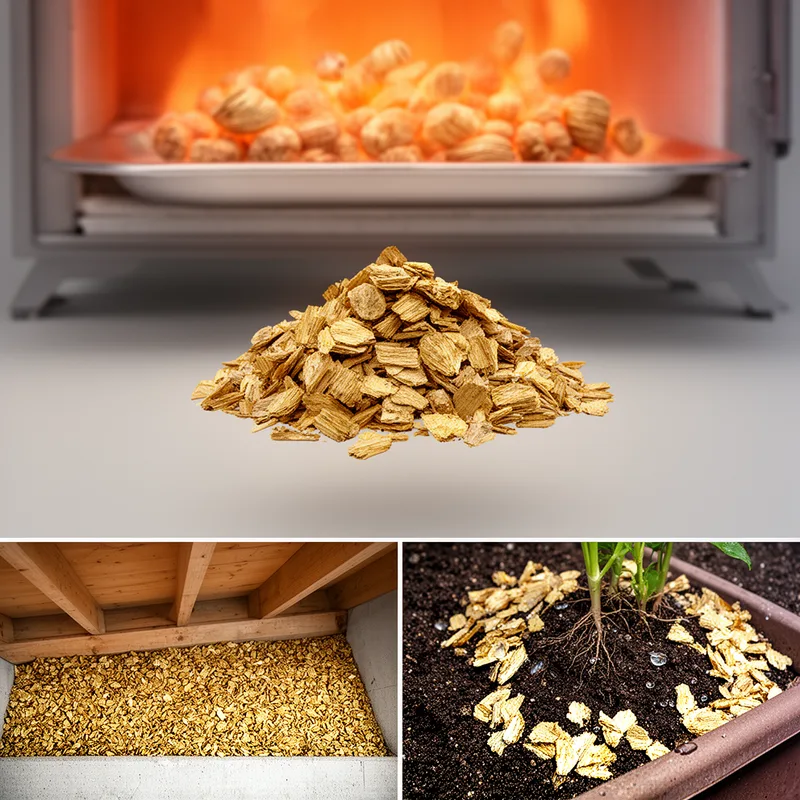
- Gardeners also mix the compost with vermiculite and use it as greenhouse potting.
- vermiculite processing
- vermiculite waste
Loading YouTube…
Watch on YouTubeThis is just perlite, vermiculite, sphagnum, peat Moss and and humus.
- This is just perlite, vermiculite, sphagnum, peat Moss and and humus.
Examples
-
You can enhance your garden's fertility by mixing vermiculite with compost to improve drainage.
-
I used one part clay (harvested from the yard) to six parts vermiculite as my insulation material.
Blog text (20) -
And then we're going to be using vermiculite to store the tubers in, which looks like that right there.
-
Query about the vermiculite: would using coarse or fine vermiculite work better?
Blog text (20) -
Separate the seeds and let them dry overnight, then sow on vermiculite.
Blog text (15) -
Other gardeners root them in pots filled with potting soil, wet sand, or wet vermiculite.
Blog text (22) -
And I had trays of modified algae and even a few houseplants growing in damp vermiculite that put out a little extra oxygen every day.
Fiction book (2000) -
Vegetable transplant producers use large quantities of growing media, consisting primarily of peat moss, perlite, and vermiculite.
Academic text (2001) -
To improve aeration in the soil, many gardeners add vermiculite to their potting mix.
-
When starting seedlings, it's beneficial to use vermiculite for moisture retention and root development.
Surface Forms
Morphology
vermiculite = vermicul + ite
Formed from the Latin combining form 'vermicul-' plus the specialized mineral suffix '-ite', neither of which is a productive or familiar English base for a B1 learner, so the meaning is not derivable from its parts.
Etymology
Vermiculite comes from the Latin word vermiculus 'little worm' plus the mineral ending -ite. When heated the flakes open into worm-like, accordion shapes, which explains the name and why this mineral is useful for insulation and for helping soil hold water.