
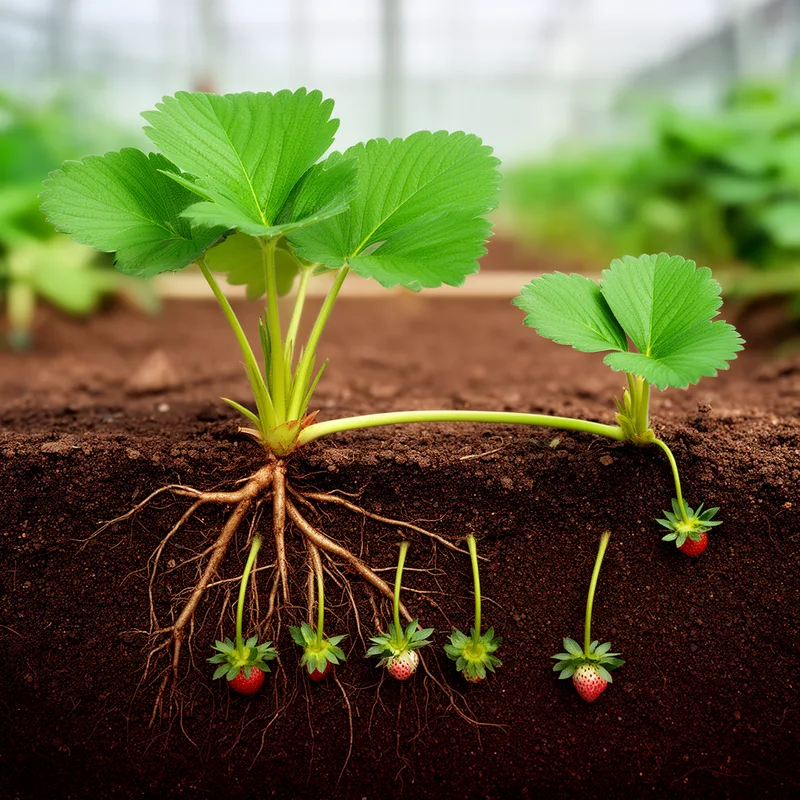
vegetatively


 1
7.8
- adverb
- /ˌvɛdʒɪˈteɪtɪvli/
- Specialized
- Many plants can be propagated vegetatively, allowing them to reproduce without seeds.
- reproduce vegetatively
- propagate vegetatively
Examples
-
Members of the vegetatively prolific duckweed family (Lemnaceae), for example, are widespread geographically, and flowering in these plants is influenced by many environmental factors (Landolt 1986).
Academic text (1996) -
Reproductive biology is less of a constraint to the introduction of vegetatively reproducing plants.
Academic text (1990) -
The lichen most often reproduces vegetatively, which means that it spreads via small fragments.
Blog text (13) -
Various countries import nonindigenous aquatic species and propagate them vegetatively for sale as ornamental aquarium and water garden plants.
Academic text (1996) -
Houseplants have the additional advantages that they are easy to vegetatively propagate, and many are vines or rosettes that require no staking.
Academic text (2001) -
Most hardy water lilies are infertile hybrids and are propagated vegetatively (Swindells 1983).
Academic text (1996) -
The ability to reproduce vegetatively allows aspen to grow quickly, as resources may be stored in underground root systems and available for rapid growth following disturbance (Jones and DeByle 1985).
Academic text (2002) -
Recent studies of the vegetatively prolific lake cress (N. aquatica) have revealed surprisingly high levels of interpopulational genetic variation in this sexually sterile triploid (1).
Academic text (1996) -
It spreads vegetatively by the sticky buds that adhere to the feet and feathers of waterfowl, as well as by the long stringy stems and leaves that cling to boats.
Academic text (1991) -
Tulips typically grow vegetatively by producing new bulbs that can develop into full plants.
Surface Forms
Morphology
vegetatively = vegetative (transparent) = vegetate + ive + ly
Formed by straightforward adverbial suffixation of the adjective 'vegetative' with '-ly'; the plant-growth sense follows directly from 'vegetative'.
Etymology
Vegetatively comes from the root veget-, the same root in vegetable and vegetation that means 'plant life' or 'growing'. So when plants spread vegetatively they reproduce or grow like a plant does, for example by making new shoots from their roots.