
vasopressin


 1
8.2
1
8.2
- noun
- /ˌvæzoʊˈprɛsɪn/
- Specialized
 :
vasopresina
:
vasopresina
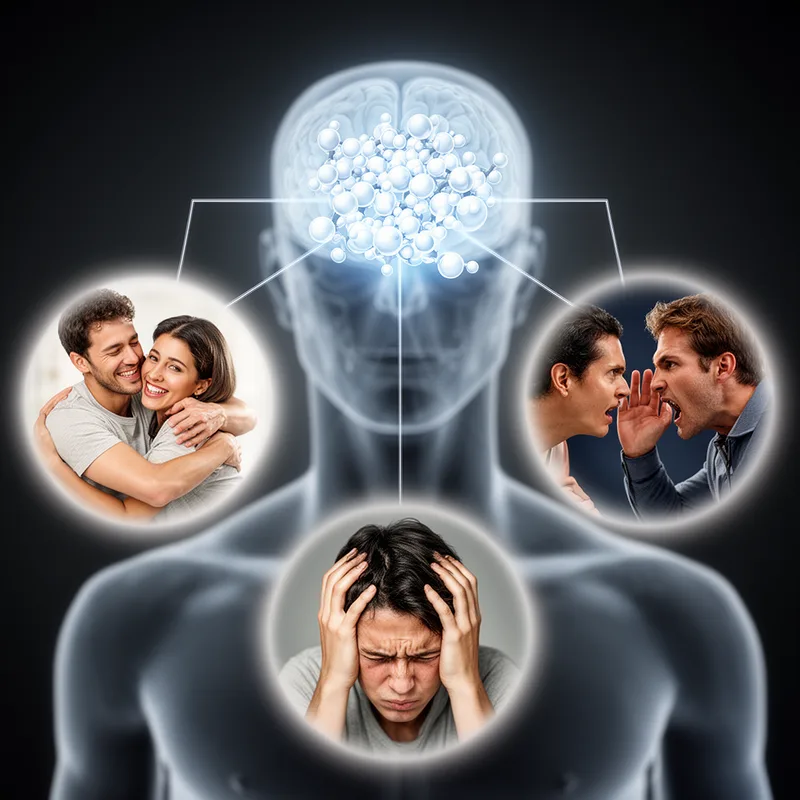
- In humans, vasopressin is linked to behaviors such as attachment and aggression within relationships.
- vasopressin receptors
- vasopressin receptor density
So how did you move from oxytocin to vasopressin?
- So how did you move from oxytocin to vasopressin?
- Because we're quite different to voles, but it turns out that we also have receptors for oxytocin and vasopressin in brain areas that are linked with love.
Examples
-
Research has shown that vasopressin plays a crucial role in forming social bonds among male voles.
-
The pair bonding oxytocin/vasopressin system between Jennifer and me is very strong.
Blog text (30) -
Or is it I don't produce enough vasopressin to get the bond that I need?
-
Do the different species tend to make oxytocin and vasopressin in similar brain areas and tissues?
-
I always refer back to the vasopressin studies in prairie voles.
Blog text (1) -
This immediacy of effect clearly demonstrates the critical role of vasopressin and oxytocin in the neural processing of social stimuli required for complex social behavior.
Academic text (2014) -
In that talk, she emphasized this combination of biology and social components by suggesting trust and attachment are the platform for moral values, aided by oxytocin and vasopressin.
Blog text (3) -
Vasopressin has long been suspected to play a role in the hypothalamic-pituitary-adrenocortical system (McCann, 1957; Miller and Yueh-Chien, 1974).
Academic text (1990) -
Thus in mammals, "the bonding and attachment is regulated, as far as we know, mainly by the density of receptors for vasopressin in the ventral paladum and for oxytocin in the nucleus accumbens, and if you change those things, you change the behavior." 96
Academic text (2014) -
Studies indicate that vasopressin can influence how closely individuals bond with their partners.
Surface Forms
Morphology
Etymology
Vasopressin comes from vaso- ('vessel') and pressin ('to press'), because it was first known for changing blood pressure. In the brain, the same chemical acts like a 'signal' that helps control social bonding, aggression and reactions to stress.