
varicella
 1
7.4
1
7.4

- noun
- /ˌværɪˈsɛlə/
- Specialized
- Varicella vaccine is one of the most frequent reasons for vaccine questions to transplantation coordinators and infectious disease physicians.
- varicella-zoster virus
- varicella-zoster
Examples
-
Parents should ensure their children are vaccinated against varicella to prevent outbreaks of chickenpox.
-
Vaccine-preventable diseases, particularly influenza, varicella, HZ, and invasive pneumococcal infections, continue to cause considerable morbidity and mortality in SOT and HSCT recipients.
Academic text (2017) -
All current guidelines recommend that the child in the household of a transplant recipient should receive the varicella vaccine on schedule.
Academic text (2017) -
The patient was also negative for Borrelia burgdorferi and varicella-zoster virus.
Academic text (2004) -
Most (>90%) adults are already seropositive for varicella and would therefore not be susceptible to household transmission.
Academic text (2017) -
Viral respiratory infections (varicella, influenza, and severe acute respiratory syndrome) can also cause maternal pneumonia (about 5% of cases).
Academic text (2007) -
The current guidelines now include 2 live vaccines: MMR and varicella vaccines for seronegative patients at 24 months post-transplantation who are off immunosuppression and have no GVHD.
Academic text (2017) -
Pretransplantation solid organ transplantation candidates can and should receive live vaccines (such as varicella vaccine and MMR) if they are off immunosuppression and not within 4 weeks of the anticipated date of transplantation.
Academic text (2017) -
Zovirax is used to treat chickenpox (varicella) or shingles (herpes zoster) and to treat or suppress genital herpes infections.
Blog text (23) -
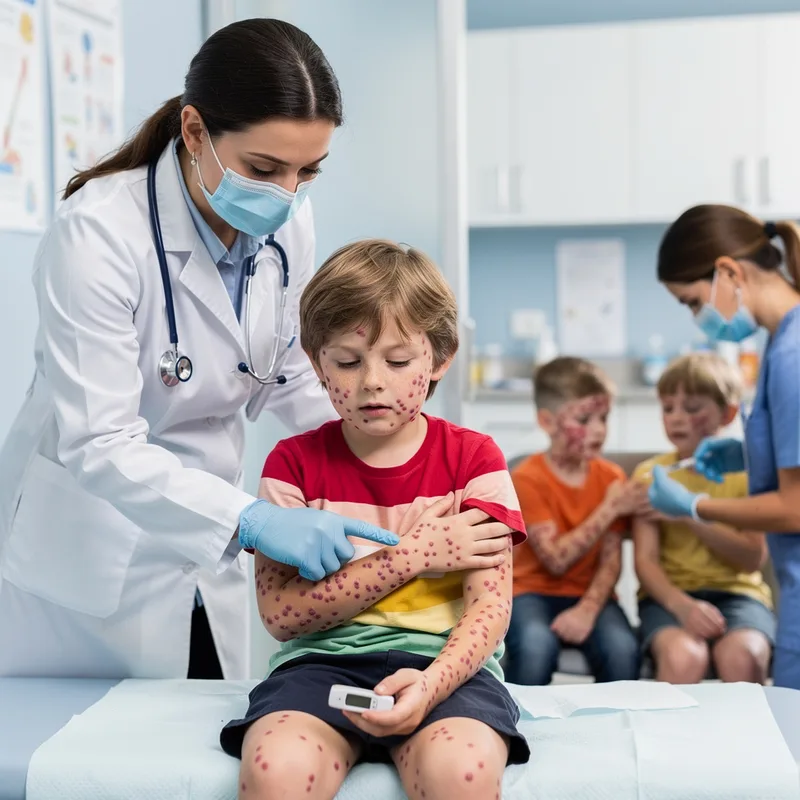
Chickenpox, also known as varicella, typically begins with a fever followed by an itchy vesicular rash.
Synonyms
 21
2.0
21
2.0
A contagious illness that causes an itchy red rash and blisters
 18
2.3
18
2.3
A disease that causes an itchy red rash and blisters often in children
Compounds


Surface Forms
Etymology
The word varicella comes from an older word variola, which meant 'smallpox', plus the little ending -ella that means 'small' or 'little'. So varicella literally means 'little pox', which helps explain why it is the milder disease we call 'chickenpox'.