
utricular
- adjective
- /juːˈtrɪkjələr/
- Specialized
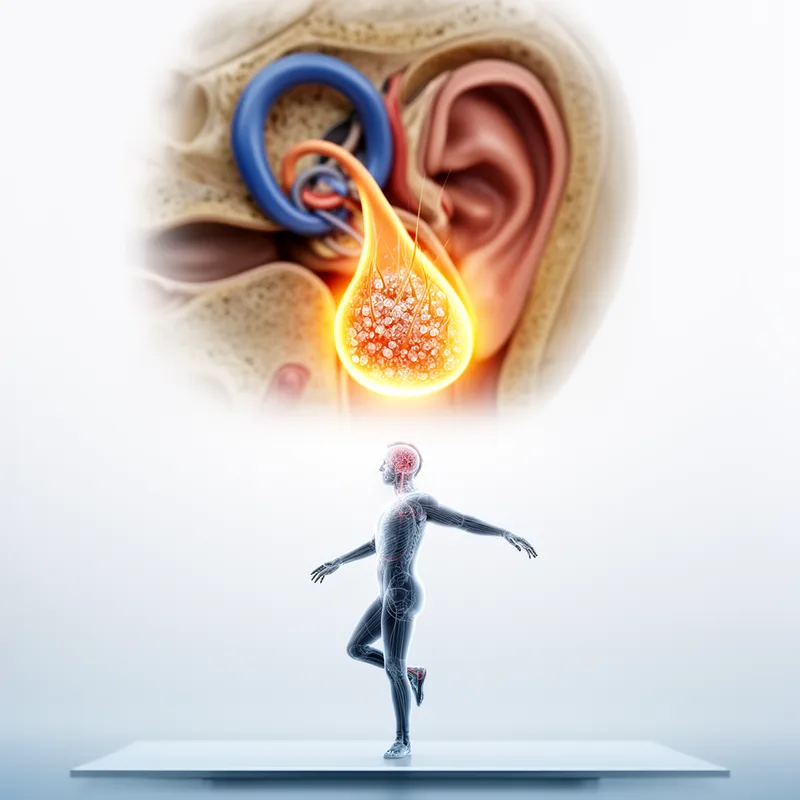
- The utricular organ is essential for maintaining balance in the human body.
Examples
-
The saccule is connected with the utricle indirectly through the saccular and utricular ducts (which enter the endolymphatic duct).
Academic text (1998) -
Diagram depicts the differentiation pathways that adult mouse utricular stem cells follow as they become cell types from the three germ layers, including hair cells and neurons.
Academic text (2004) -
This is accomplished by dissecting the utricular sensory epithelium in these mice.
Academic text (2004) -
Photograph shows a clonal floating colony ("sphere") that was generated from the utricular sensory epithelium of an adult mouse.
Academic text (2004) -
This involved grafting the utricular mouse-derived progenitor cells into the developing ears (otic vesicles) of embryonic chickens.
Academic text (2004) -
In studies of the inner ear, researchers observed the function of utricular hair cells in sensing head position.
-
Understanding utricular anatomy can help diagnose balance disorders in patients.
Surface Forms
Morphology
Etymology
Utricular comes from the Latin word utriculus, meaning 'small bag', and it names the tiny utricle in the inner ear. That little bag helps sense balance and head position, so utricular means related to that small balance organ.

