
uta
9.9
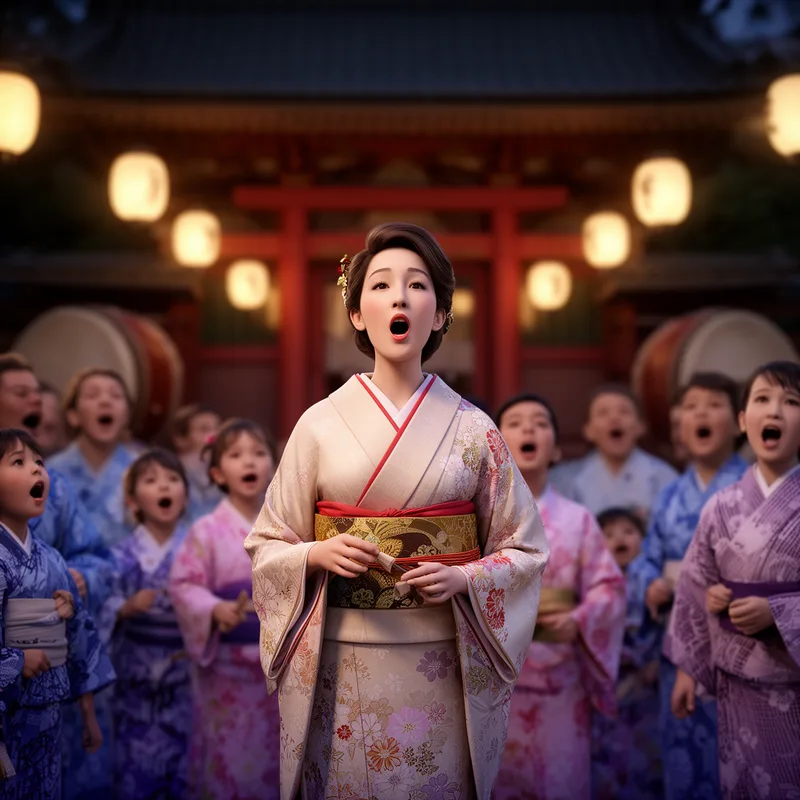
A traditional Japanese song sung at ceremonies or festivals
- noun
- /ˈuːtə/
:
uta
- During the ceremony, everyone joined in singing a traditional uta.
Examples
-
She learned to sing an ancient uta from her grandmother.
-
The uta echoed through the temple.
-
The musician performed a beautiful uta at the cultural festival.
-
She sang a beautiful uta at the festival.
-
During the ceremony, everyone joined in singing a traditional uta that celebrated their heritage.
-
The musician performed a beautiful uta at the cultural festival, captivating the audience with its melody.
-
She learned to sing an ancient uta from her grandmother, passing down the family tradition.
How Traditional


Surface Forms
Etymology
Uta comes from the Japanese word 歌, meaning 'song' or 'poem', and it has been used for a long time for traditional singing and poetry in Japan. So uta simply means a traditional Japanese 'song'.