

used car
 52
1.0
52
1.0

- noun
- /juːzd kɑr/
- Professor A mentions that he's planning to sell his used car once the incoming students arrive on campus.
- sell used cars
- used car market
Loading YouTube…
Watch on YouTubeI'll still live in my one bedroom apartment and drive my used cars and not go out too much.
- I'll still live in my one bedroom apartment and drive my used cars and not go out too much.
- The high new and used car prices turned out to be surprisingly sticky.
- I just want to teach people how to sell used cars and just do a few to supplement their income.
- In a post on X, Hackman said higher tariffs could drive up used car prices, boosting the value of Hertz's fleet.
- But think about this, think about, let's just say the quintessential sales area is used cars or new cars.
- And So what I believe they will do is offer really, really attractive used car leases on these cars as they come back in.
- You know, they got it from a, you know, reputable used car dealer and it ran fine for years.
Examples
-
Remember, you can sell your used car on your own to another consumer.
Blog text (17) -
You know, if you're looking for a new or used car, see me first.
-
Would you ever pay more for a used car than a new car?
-
You can get a fun used car and still have a practical family car all in one if you get one of these.
-
Selling used cars is not what I want.
-
I'm gonna buy you a used car.
-
Where's the best place for me to get a used car?
-
Anyone can uncover a great deal on used cars for sale in Illinois.
Blog text (11) -
This is Doug Demuro, and today we're going to talk about the used car market specifically.
-
If you want to save money, consider buying a used car instead of a new one.
Synonyms
 19
2.2
19
2.2
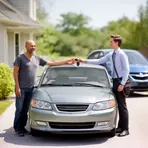
Not new, bought from someone who owned it before

 1
1.6
1
1.6
A car that someone else owned before
How New

Surface Forms
Morphology
The meaning 'a car that has been previously owned' is directly and transparently derivable from combining 'used' (previously owned) with 'car' (motor vehicle). This adjective+noun compositional pattern is regular and cross-linguistically common, so a B1 learner who knows both constituents will readily infer the MWE meaning.
Etymology
Used car comes from the simple idea of a used car, a vehicle someone has already owned and driven. Because the car was 'used' before, the phrase means 'not new'.