
urease


 1
8.6
- noun
- /ˈjʊəriˌeɪs/
- Specialized
- Moreover, biochemical analysis has shown that isolated C. chauvoei was essentially glucose, maltose, and lactose positive, whereas Indoland was urease negative.
- urease negative
Examples
-
Strains of Helicobacter that had been engineered by others to be to not contain urease were still killed by sulforaphane.
-
Bacterial colonies that are urease positive will turn purple in the presence of urea.
Academic text (2005) -
Bacterial colonies will stay yellow if they are urease negative.
Academic text (2005) -
They were also tested for their ability to produce urease, utilize HNO3 as the sole nitrogen source, and grow at 37°C.
Academic text (2007) -
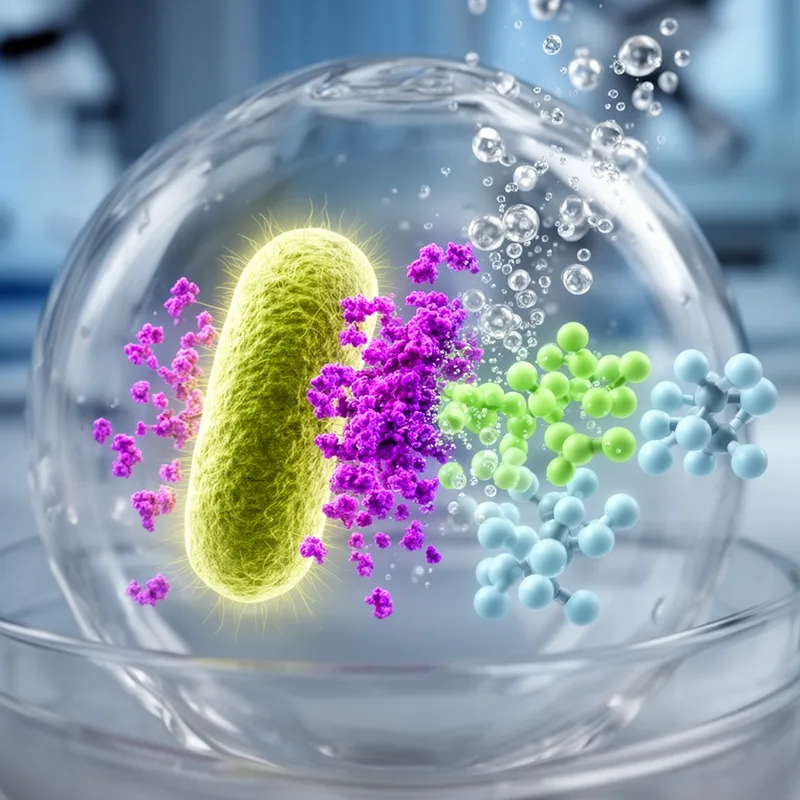
The bacteria produce urease, an enzyme that breaks down urea into ammonia.
-
In soil, the presence of urease helps convert urea fertilizers into usable forms for plants.
-
Some medical tests measure the activity of urease to identify specific bacterial infections.
Surface Forms
Morphology
Etymology
Urease was formed from urea, a waste chemical found in 'urine', and the enzyme ending -ase, as in lactase. So, urease is the enzyme that breaks down urea.