
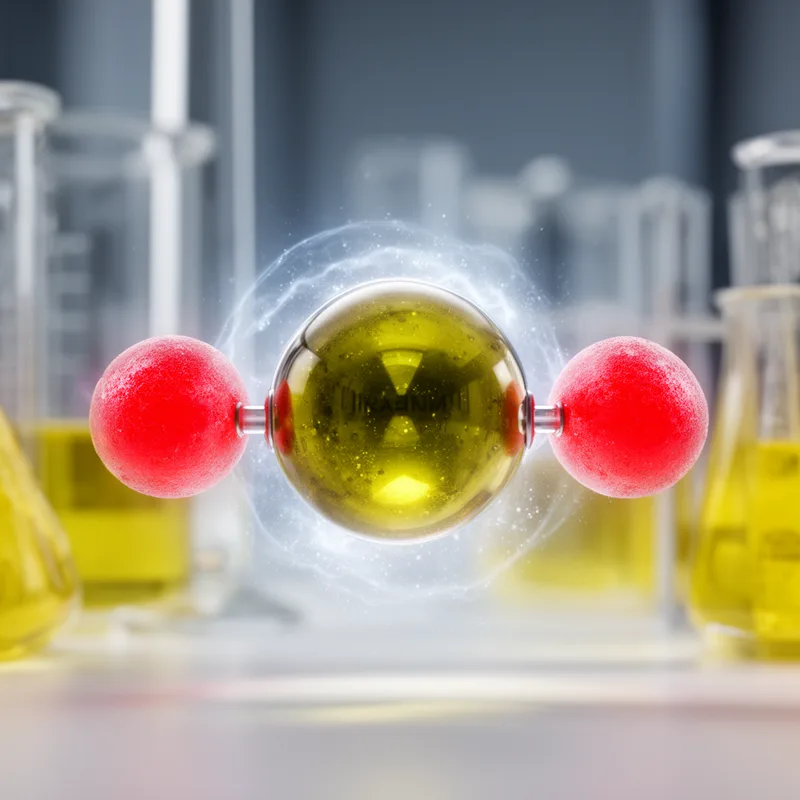
uranyl
- noun
- /ˈjʊrəˌnɪl/
- Specialized
- In the laboratory, uranyl nitrate was added to begin the precipitation reaction.
- uranyl acetate
Examples
-
The uranyl ion is essential in various chemical reactions.
-
The bright yellow color of uranyl compounds makes them useful in porcelain glazing.
-
Scientists detected uranyl ions in the water sample near the old mine.
-
Scientists study uranyls for their unique properties.
-
Chemists often study uranyl compounds to understand their behavior in nuclear reactions.
-
The research focused on the properties of uranyl ions in various chemical environments.
-
In the laboratory, scientists were able to synthesize a stable form of uranyl chloride.
Synonyms
A charged particle made of uranium and oxygen that forms salts with acids

A group made of a uranium atom joined to two oxygen atoms that often forms salts
Compounds
- Specialized
A group made of a uranium atom joined to two oxygen atoms that often forms salts
- Specialized
A yellow substance that dissolves in water, contains uranium and is used in nuclear labs
- Specialized
A charged particle made of uranium and oxygen that forms salts with acids
Surface Forms
Morphology
Etymology
Uranyl comes from uranium, a metal named after the planet Uranus, plus the chemical ending -yl, which means a 'group' or 'part' in chemistry. So uranyl is the uranium 'group' UO2, a charged part that forms salts and often gives a bright yellow colour.

