
uranium-238
- noun
- /jʊˈreɪniəm ˈtuː θɪrˈtiː eɪt/
- Specialized
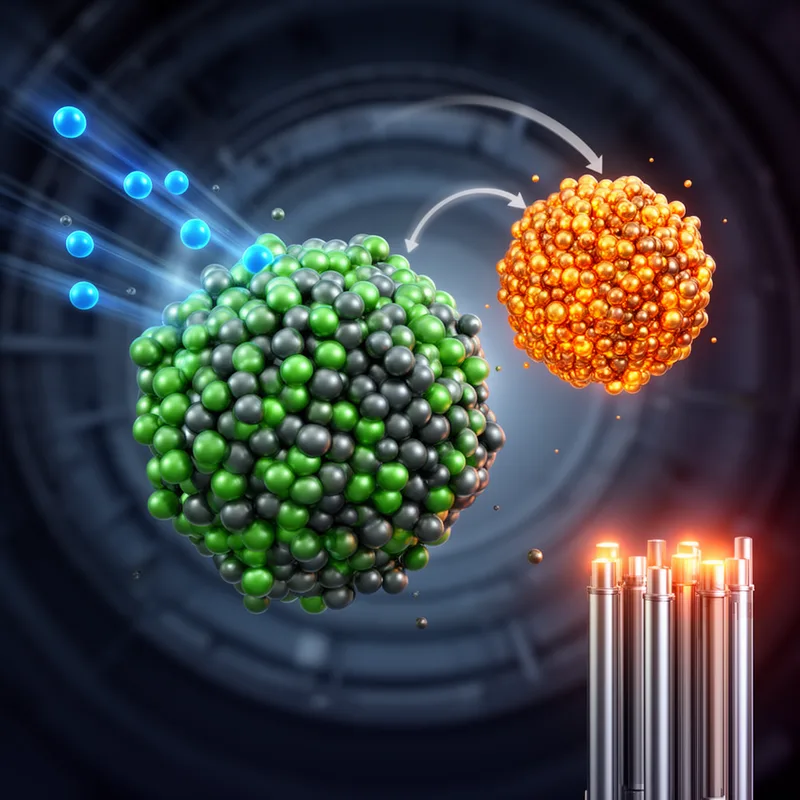
- When uranium-238 absorbs a neutron, it can be transformed into plutonium-239.
Examples
-
Did you know that uranium-238 can be converted into plutonium?
-
Natural uranium consists mostly of uranium-238, with only a small fraction of uranium-235.
-
Nuclear reactors often use uranium-238 as a fertile material to breed more fissile fuel.
-
The reactor uses uranium-238 as a fuel source.
-
In nature, most uranium consists of uranium-238, which is not directly fissionable.
-
Scientists use uranium-238 to create plutonium-239 by irradiating it with neutrons.
-
Natural uranium ore contains about 99.3 percent uranium-238, making it the most prevalent isotope.
How Energy-Rich
- Specialized
 84
9.4
84
9.4


- Specialized
2
7.2
- Specialized
17
4.6
- Specialized
- Specialized
2
8.2
Surface Forms
Morphology
Etymology
Uranium-238 is named after the planet Uranus, which comes from a Greek word for the 'sky', and the -ium ending shows it is a 'metal'. The number 238 simply names this heavy form of the element, so thinking of Uranus plus 238 helps you remember this common, heavy version used in nuclear fuel.