

upside down
 138
2.0
138
2.0

- adverb
- /ˈʌpˌsaɪd daʊn/
- The picture was hung upside down, so I had to fix it.
- turn upside down
- hang upside down
- a flag upside down
Loading YouTube…
Watch on YouTubeIt doesn't go upside down yet.
- It doesn't go upside down yet.
- It's just a smile turned upside down, Conan.
- And to open the bag, you twist the spade upside down to unlock it.
Examples
-
Sir, your book is upside down.
-
Often in dreams, numbers appear upside down and backwards.
-
Just the same thing upside down now.
-
Yeah, just upside down so you can double check it.
-
So when the world started sort of going upside down, I thought this is interesting.
-
Too much, too fast; her whole world had turned upside down in only a few hours.
Fiction book (1991) -
And look at the moon upside down through your legs.
-
So if your days seem a little upside down, maybe you can blame it on the sun.
-
The bowl of milk was lying upside down beside her on the ground.
Fiction book (1992) -
You've got the map upside down.
Synonyms
 30
1.8
30
1.8
Turned so the top is where the bottom normally is


 1
4.5
1
4.5
Something that has its bottom facing up, like a boat
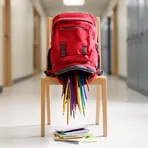 1
9.9
1
9.9
Turned upside down so the top is at the bottom

Placed or turned so the top and bottom are swapped

Turned so the top is on the bottom

Turned over so the bottom points toward the sky
How Inverted

Surface Forms
Morphology
The meaning 'inverted/overturned' is directly and transparently derived from combining 'upside' (upper side) with 'down' (lower), describing a reversal of top and bottom. This basic spatial composition is cross-linguistically common and should be understandable to a B1 learner who knows the constituent words.
Etymology
Upside down creates a simple image: the up side is now on the down side, like a cup turned over so the top is where the bottom should be. That's why it means 'inverted' or 'turned over'.