
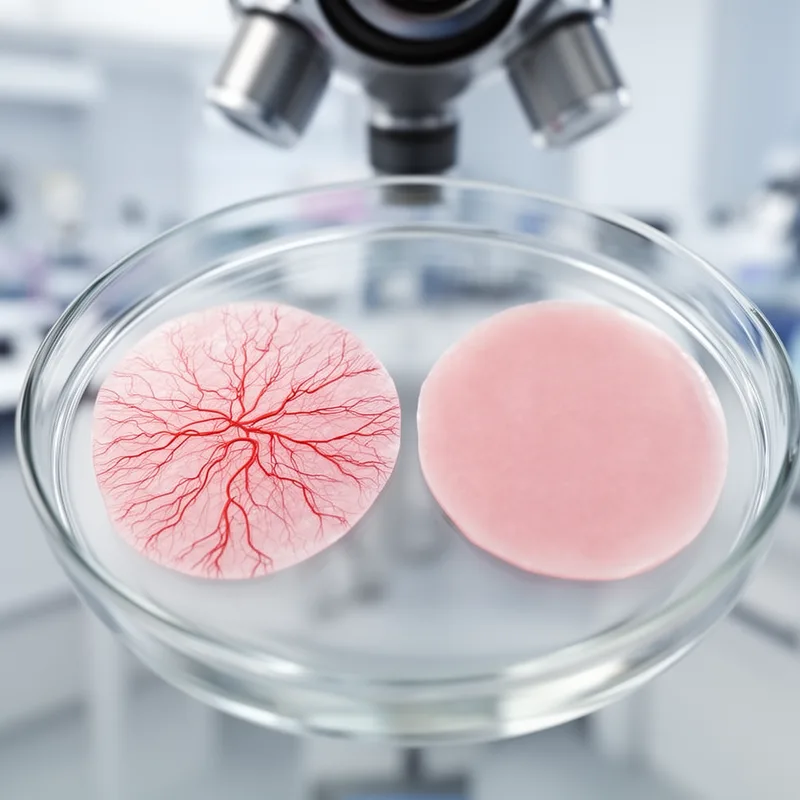
unveined
- adjective
- /ʌnˈveɪnd/
- Specialized
- The unveined muscle tissue was surprisingly tender.
Examples
-
The butterfly's wings appeared completely unveined under the microscope.
-
Scientists studied the unveined tissue to understand its unique structure.
-
Unlike most leaves, this plant has unveined petals that look almost transparent.
-
Many fish have unveined flesh that is easier to cook.
-
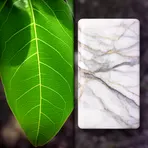
The marble statue was beautifully crafted, its surface entirely unveined and smooth.
-
The leaf's bright green color was striking because it was completely unveined, showing no dark lines.
-
In the laboratory, the scientist examined the unveined tissue samples under a microscope.
Synonyms


 1
9.0
1
9.0
Tissue that has no blood vessels

Tissue or growth that does not contain blood vessels
Antonyms
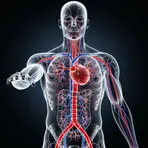
How Vascular

Surface Forms
Morphology
Etymology
Unveined is made of un- ('not') and vein ('blood vessel'), so it literally means 'without blood vessels'. That's why scientists call a tissue or animal part unveined when it does not have the small veins that carry blood.