
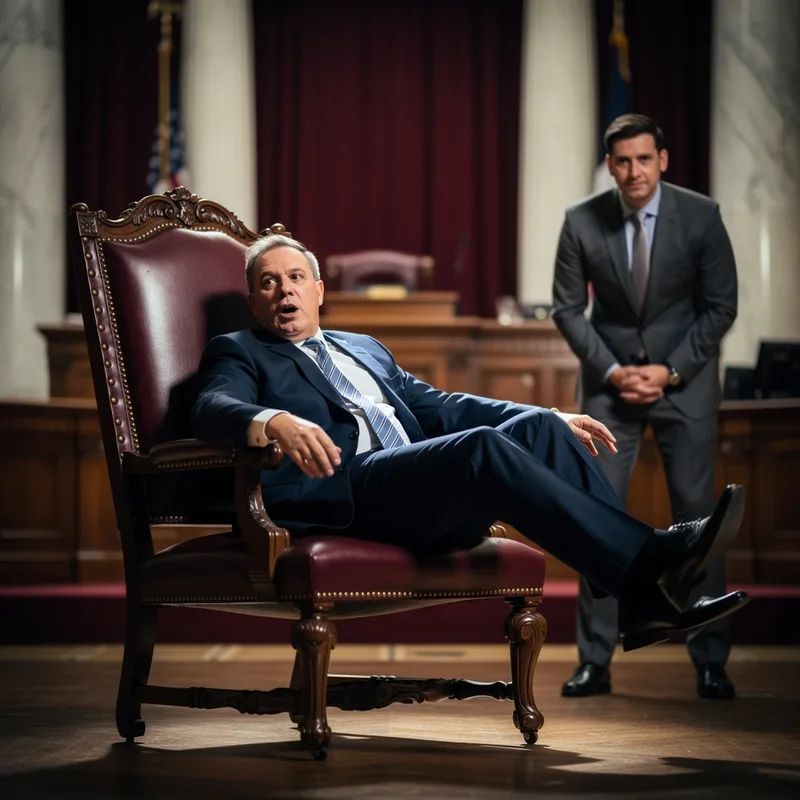
to unseat
 19
6.2
19
6.2

- verb
- /ʌnˈsiːt/
 :
destituir
:
destituir
- He is looking to unseat career politician and Democrat Sherrod Brown.
- unseat the government
- attempts to unseat
- seek to unseat
This pandemic alone may unseat us from our place of power in the world forever.
- This pandemic alone may unseat us from our place of power in the world forever.
- He is looking to unseat career politician and Democrat Sherrod Brown.
- They have a goal to unseat and destroy the apostate governments of the Middle East and the Great Satan in the West.
Examples
-
Guerrilla groups have been fighting to unseat him ever since.
Academic text (2000) -
Do you think there's a chance De Santis could actually unseat Trump if they both run for the nomination?
-
"As long as the war is on, only a military figure like yourself "can unseat the man in the White House."
-
This pandemic alone may unseat us from our place of power in the world forever.
-
Louise helped run her mother's campaign to unseat a Liberal opponent on the East Sussex County Council.
Blog text (4) -
Why did the economic crisis in 1998 unseat Suharto when previous crises had not?
Academic text (2003) -
Money isn't everything in politics, but unseating an incumbent takes more than a few yard signs.
Blog text (22) -
The opposition may become emboldened if it senses a real possibility of unseating the PNDC.
Academic text (1991) -
Mugabe is a despot who, for a decade, has thumbed his nose at opposition attempts to unseat him.
Academic text (2009) -
The opposition party aims to unseat the current mayor in the upcoming election.
Synonyms
 ∞
1.5
∞
1.5
To move something or someone away from a place
 140
5.5
140
5.5
To make a person leave their usual place or job
 128
4.6
128
4.6
To make a leader or government lose power
 127
5.1
127
5.1
To remove a leader or government from power, often by force
 80
6.2
80
6.2
To remove someone from power, often suddenly or by force
 31
7.4
31
7.4
To remove a leader from office, often by force
 15
6.1
15
6.1
To force something or someone out of a place where they are stuck
 12
6.3
12
6.3
Remove a leader or government from power, often by force
 5
6.7
5
6.7
To remove a king or queen from power and their position

 1
8.6
1
8.6
To remove someone from a job people choose by voting them out

To remove someone, especially a king or queen, from power

To remove someone from the job of leading a group
How Forceful

Surface Forms
Morphology
Etymology
Unseat comes from the prefix un- meaning 'remove' and the word seat, which also means 'an official place or job'. So to unseat a leader is to remove them from their seat of power, for example by voting them out.