
unscored
- adjective
- /ʌnˈskɔrd/
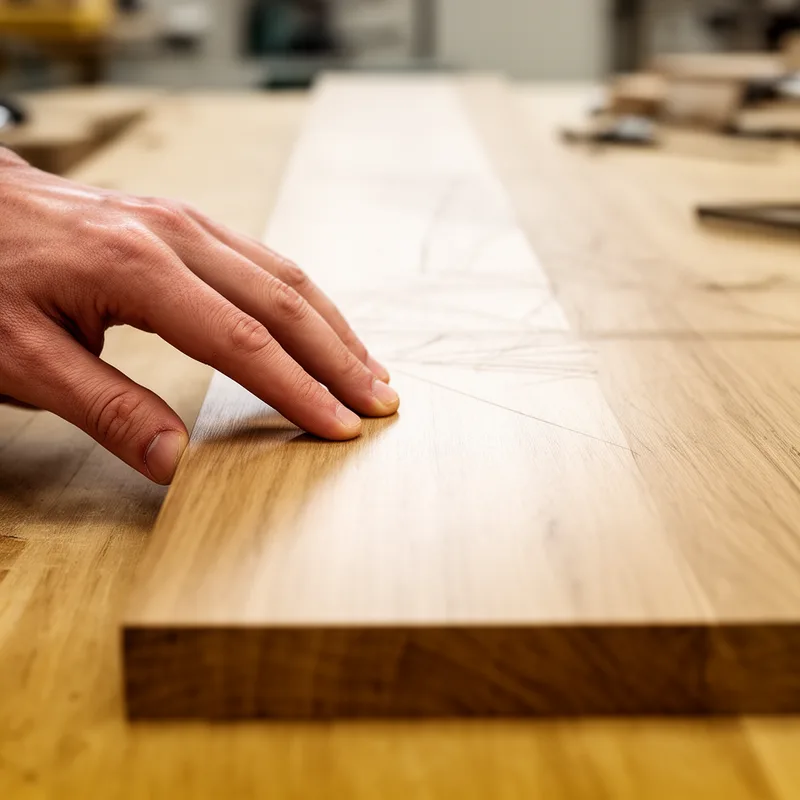
- The craftsman preferred to leave the wood unscored for a cleaner finish.
Examples
-
Please keep the surface unscored so the paint will adhere evenly.
-
This paper is unscored.
-
The archaeologist was surprised to find pottery with an unscored rim among the decorated pieces.
-
Look at the unscored table!
-
The artist preferred to work with unscored canvases to maintain a smooth surface for her paintings.
-
The chef decided to leave the unscored pastry untouched to create a perfect, golden finish.
-
He chose unscored wood for the project because he wanted a clean, polished appearance.
Synonyms

 43
4.3
43
4.3

Having no mark or label to show who it belongs to
 41
2.5
41
2.5
Completely clean with no stains or dirt
 1
3.7
1
3.7
Skin that is smooth without lines or wrinkles


 1
6.3
1
6.3
Free of marks, stains, or faults
 1
3.0
1
3.0
Clean and free from stains or dirt

Having no marks or damage on the outside

A smooth surface or edge with no notches

Pages with no lines for writing or drawing

A surface that is smooth and even with no lines or wrinkles

Very smooth skin without lines or creases

Something with no small pushed-in marks from being hit

A surface that has no small holes

Having no marks from old cuts or wounds on skin and other surfaces

A surface with no cracks or small holes

Clean and without marks or dirt
Clean and clear with no marks or stains
How Marked

Surface Forms
Morphology
unscored = scored (semi-transparent) = un + score + ed
The negation 'un-' applied to 'scored' is clear, but the specific sense 'to cut or notch' for 'score' is less frequent and may not be known to all learners.
Etymology
The word unscored is made of un- 'not' and score, which originally meant 'a cut or mark', like a small line cut into wood. So unscored means 'not cut or marked', giving a smooth, unmarked surface.