
unreformed
- adjective
- /ˌʌn.rɪˈfɔːrmd/
- Paradoxically, the effort to preserve the imperial and unreformed military dimension actually entails less security for the entire CIS region, hardly something Europe or Russia can be complacent about.
Examples
-
We may find the use of the word "heroics" in connection with suicide bombings bizarre, but we have to remember that the unreformed honor culture owes nothing to Victorian notions of fair play.
Academic text (2002) -
Generally, Marxist-Leninists in the twentieth century have distrusted religious groups, while believers have castigated Marxists as unreformed atheists.
Academic text (1990) -
Clearly, freedom from his yet unreformed Church orthodoxy, freedom from the Inquisition, freedom from Rome's worldly aspects.
-
I wondered at the time if this remark wasn't an indication of a tiny sense of shame, a feeling for the inferiority of his unreformed honor culture and the implied rebuke of the Western one, with its sense of chivalry and fair play.
Academic text (2002) -
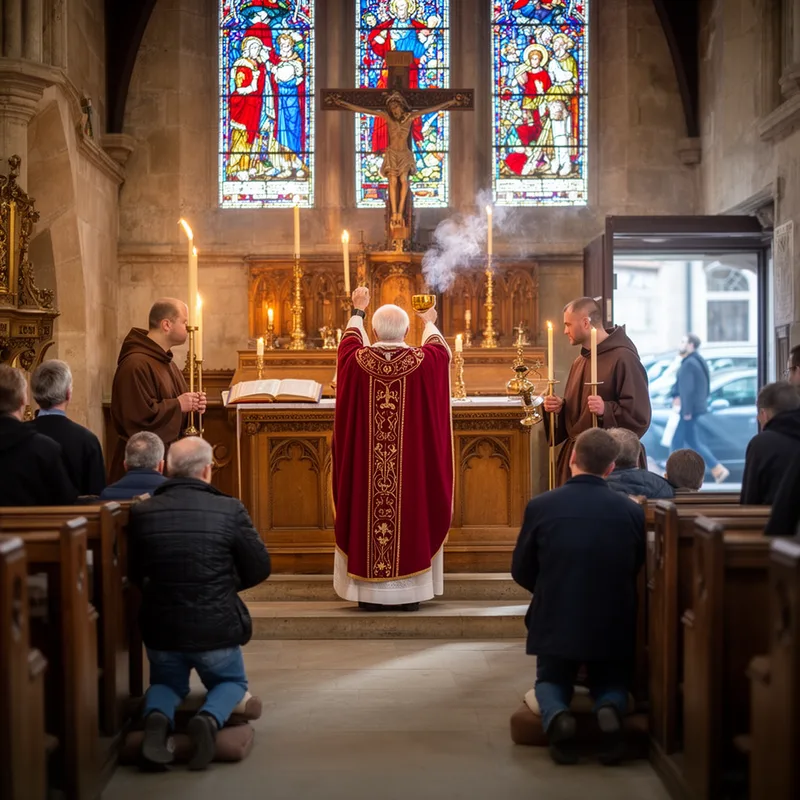
The unreformed traditions of the church have remained largely unchanged for centuries.
-
Many followers still adhere to the unreformed practices established before the Reformation.
-
The artist's style reflects the unreformed aesthetics of the past, untouched by modern influences.
Synonyms

Still holding old moral or religious beliefs

Not changed to better behavior after many chances
Antonyms

 8
7.2
8
7.2

A Protestant church tradition that follows Calvin's teaching about how God saves people
Surface Forms
Morphology
Etymology
The word unreformed comes from the parts un- ('not'), re- ('again') and form ('shape' or 'make'). During the Reformation some churches changed their ways, so an unreformed church kept its old religious practices.