
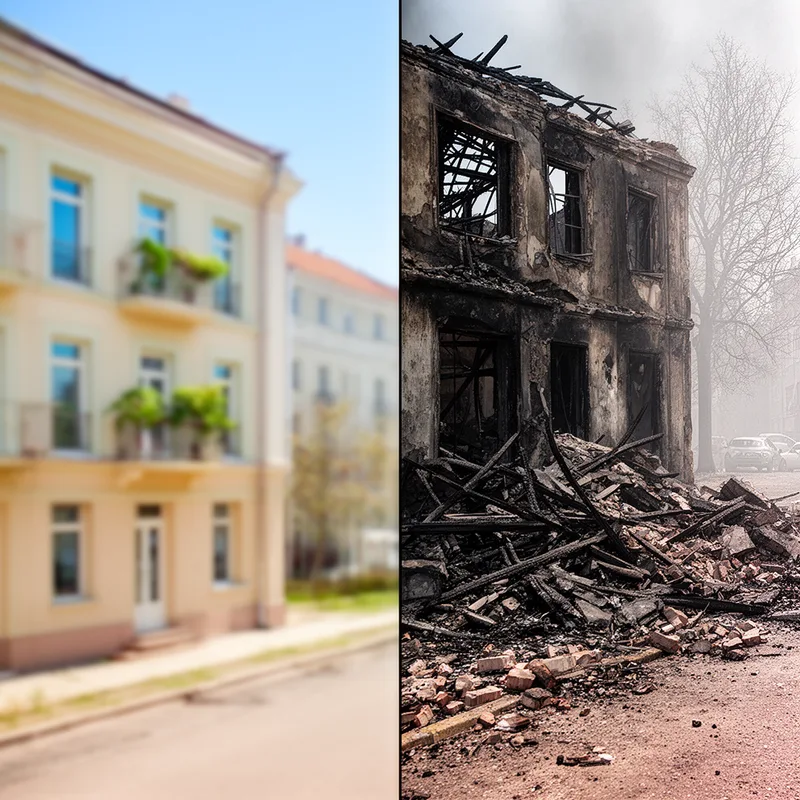
unrecognizably
- adverb
- /ˌʌnˈrɛkəɡnɪzəbli/
- Philosophers of my generation have learned that an academic discipline can become almost unrecognizably different in the course of a quarter-century—different, above all, in the sort of talents that get you tenure.
- unrecognizably different
- almost unrecognizably
Examples
-
But these books are in fact unrecognizably different.
Academic text (1991) -
Hawthorne, his face clawed almost unrecognizably, lies alone.
Fiction book (1996) -
Their instruments were different, their methods of calculation had shifted, but most of all the physicists themselves were nearly unrecognizably transformed.
Academic text (1997) -
By five billion A.D., meteoritic bombardment had completely and unrecognizably mingled all human-fashioned things on it and on Mars with their regoliths.
Fiction book (1992) -
Everyone was unrecognizably thin—this was just a few months after they arrived in California, after leaving Vietnam in a rickety boat and getting picked up by the US Navy near Singapore.
Blog text (5) -
They'd emerge in groups from the pit head, unrecognizably blackened by the smears of coal dust and sweat, to be transformed a little later as they strolled from the wash house, scrubbed and dressed in ordinary clothes.
Fiction book (2000) -
After the renovation, the old library looked unrecognizably modern.
-
The landscape changed unrecognizably after the extensive deforestation.
-
With time, the city became unrecognizably transformed, losing much of its historic charm.
Antonyms


How Recognizable

Surface Forms
Morphology
unrecognizably = unrecognizable (transparent) = un + recognize + able + ly
The adverb is formed by adding '-ly' to the adjective 'unrecognizable', a predictable derivation.
Etymology
Unrecognizably is made of un- meaning 'not' and recognize, which is like re- 'again' plus know 'to know'. So unrecognizably means 'in a way you cannot recognize' or 'so changed you cannot identify it as before'.