
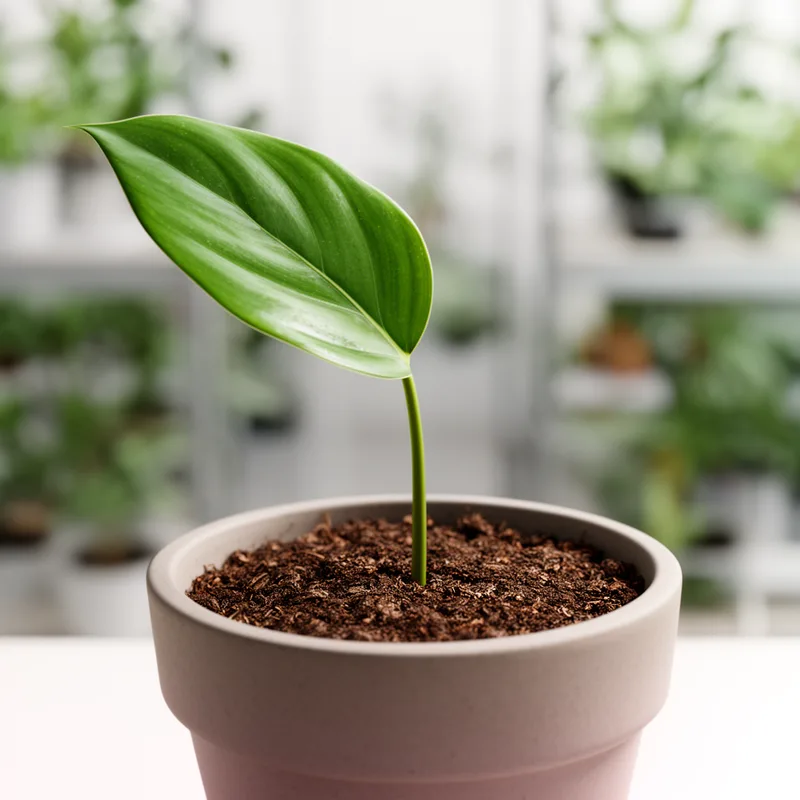
unifoliate
- adjective
- /ˌjuːnɪˈfoʊliɪt/
- Specialized
- The botanist noted the plant's unifoliate nature in her journal.
Examples
-
The unifoliate structure of the plant makes it easy to identify in the field.
-
Some orchids are known for their unifoliate leaves, which distinguish them from other species.
-
The plant is unifoliate with a single leaf.
-
Is this species unifoliate or multi-leafed?
-
The unifoliate plant has only one leaf, making it distinct from other types of foliage.
-
In botany, a species described as unifoliate typically features a single leaflet on each stem.
-
The research focused on unifoliate varieties of plants that adapt well to dry environments.
Synonyms

 7
7.4
7
7.4

A leaf that is not divided into leaflets

A leaf with one whole surface and no separate parts
How Leafy
28
1.6

- Specialized
- Specialized
- Specialized
3
2.9
Surface Forms
Morphology
Etymology
The word unifoliate comes from the parts uni- 'one' and folium 'leaf', the same root you see in foliage. So unifoliate means having a single leaf or one leaflet, which is why botanists use it for plants with only one leaf.