
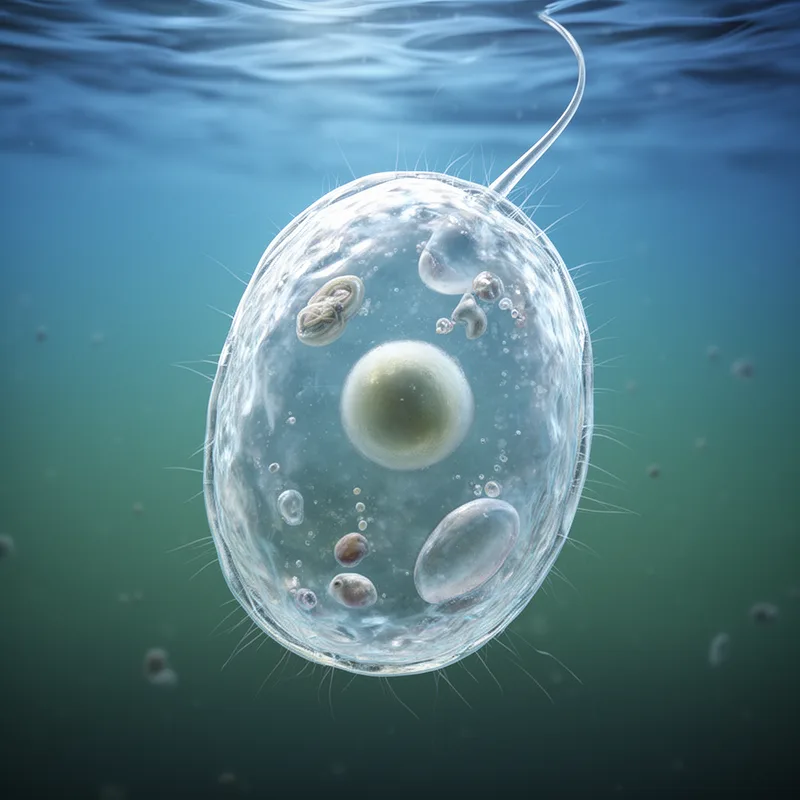
unicellular
 1
5.3
1
5.3

- adjective
- /ˌjunɪˈsɛljələr/
- Specialized
- A typical example of a unicellular organism is the single-celled bacterium Escherichia coli.
- unicellular eukaryotes
- unicellular organisms
- unicellular algae
Loading YouTube…
Watch on YouTubeSo basically when like every single time my cells divide, I'm a yeast, like I'm a unicellular Organism.
- So basically when like every single time my cells divide, I'm a yeast, like I'm a unicellular Organism.
Examples
-
For instance, homeotherms, poikilotherms, and unicellular organisms have different values in the equations that relate their metabolic rates to their body size.
Academic text (2013) -
Since there are more unicellular organisms than humans, we can assume that this phenomenon happens a lot.
Blog text (5) -
Well, I'm sure it's a unicellular animal.
-
Why is it that unicellular organisms have the lowest values of a in such equations?
Academic text (2013) -
Let's discover unicellular life first, before we even talk about sentient life.
Blog text (34) -
The dotted lines represent groups that include both unicellular and multicellular forms.
Academic text (2012) -
One of the great hazards of desert life for all unicellular organisms is desiccation.
Academic text (2008) -
Phaeodactylum tricornutum is a unicellular diatom in the class Bacillariophyceae.
Blog text (18) -
Microsporidia are tiny, unicellular zoonotic parasites that contain ribosomes but lack mitochondria.
Academic text (1998) -
Three or four species of yeast (which are unicellular fungi) often take refuge within the buds and shoots of deciduous trees.
Academic text (2001)
Synonyms
 8
4.3
8
4.3
A living thing made of only one cell, for example an amoeba
 2
4.4
2
4.4
A living thing that has only one cell
Antonyms
How Complex

Surface Forms
Morphology
Etymology
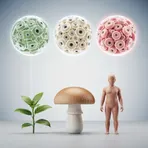
The word unicellular comes from the parts uni- 'one', like in unicycle, and cell 'a tiny living unit'. So a unicellular organism is a living thing made of just one cell.