
unharnessed
5.6
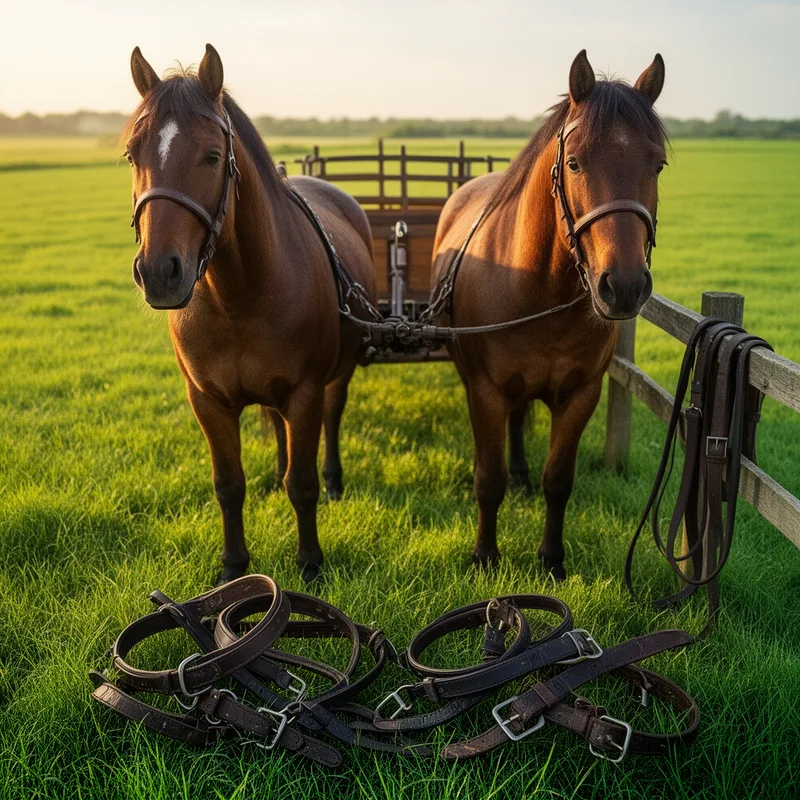
Not wearing straps, often said about animals or machines used for pulling
- adjective
- /ʌnˈhɑrnəst/
:
sin arnés
- After a long day of work, the horses were left unharnessed to graze in the meadow.
Examples
-
It is safer to keep the equipment unharnessed when not in use.
-
The sled dogs waited unharnessed while their owner prepared their food.
-
The horses were unharnessed after the long journey.
-
Why are the dogs unharnessed in the yard?
-
After a long day of work, the horses were left unharnessed to graze in the meadow.
-
The sled dogs waited unharnessed while their owner prepared their food.
-
The horses were unharnessed and allowed to roam freely in the pasture.
Antonyms

How Harnessed


Surface Forms
unharnessed positive
Morphology
Etymology
Unharnessed breaks into un- 'not' and harness, the straps or gear used to attach and control an animal or machine. So, unharnessed means 'not wearing a harness' or 'not attached for pulling or control'.