
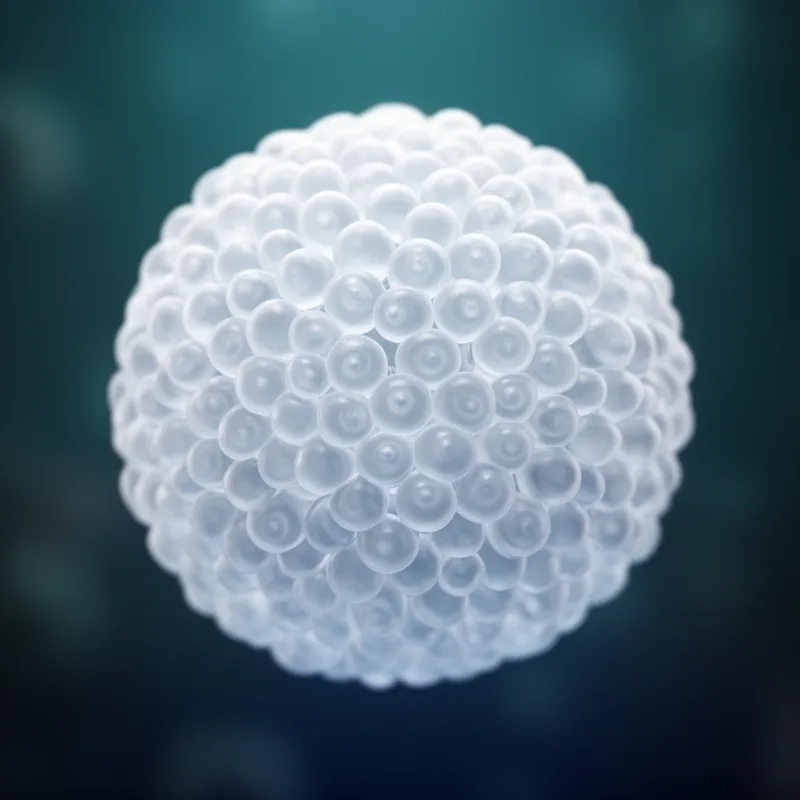
undifferentiation
- noun
- /ˌʌnˌdɪfərɛnˈteɪʃən/
- All boundaries disappear during this celebration, creating a state of social undifferentiation.
Examples
-
In a world of increasing undifferentiation, people began to lose their unique identities and cultural distinctions.
-
The undifferentiation of services in the new app made it difficult for users to choose between the various options available.
-
The crisis of undifferentiation is one part of a single phenomenon Girard calls the scapegoat mechanism.
Academic text (1993) -
Girard calls this leveling of cultural differences "undifferentiation," a theme which emerges from multiple levels of El burlador.
Academic text (1990) -
These themes also reinforce the predominant theme of undifferentiation, or the leveling of distinctions which provokes the social crisis that culminates in sacrifice.
Academic text (1990) -
The impossible structures around which fantastic narratives are woven, she says, are "related to this drive towards a realization of contradictory elements merging together in the desire for undifferentiation" (80), a desire for that which is beyond the pleasure principle.
Academic text (1995) -
During periods of political undifferentiation, it can be challenging to determine differing viewpoints or beliefs among the populace.
Synonyms
When cells do not change into different types during development

A situation when you cannot tell two things apart

Not clearly separate from something else

The state of having parts that are all the same

A situation in which things are the same and do not change

The state of being the same or very similar throughout

Being a single whole thing rather than separate parts
Antonyms


How Differentiated
 10
5.8
10
5.8
 348
3.5
582
1.3
157
2.7
6
7.6
348
3.5
582
1.3
157
2.7
6
7.6
Surface Forms
Morphology
undifferentiation = differentiation (transparent) = un + different + iate + ion
The word is transparently formed by adding the negating prefix un- to differentiation, yielding the sense of a lack of differentiation.
Etymology
The word undifferentiation starts with un- meaning 'not' and is built on different, which means 'not the same' or 'to become different'. So undifferentiation is the state when things are 'not made different', when parts stay the same and do not divide into separate types or special roles, as in early cells that have no special job.