
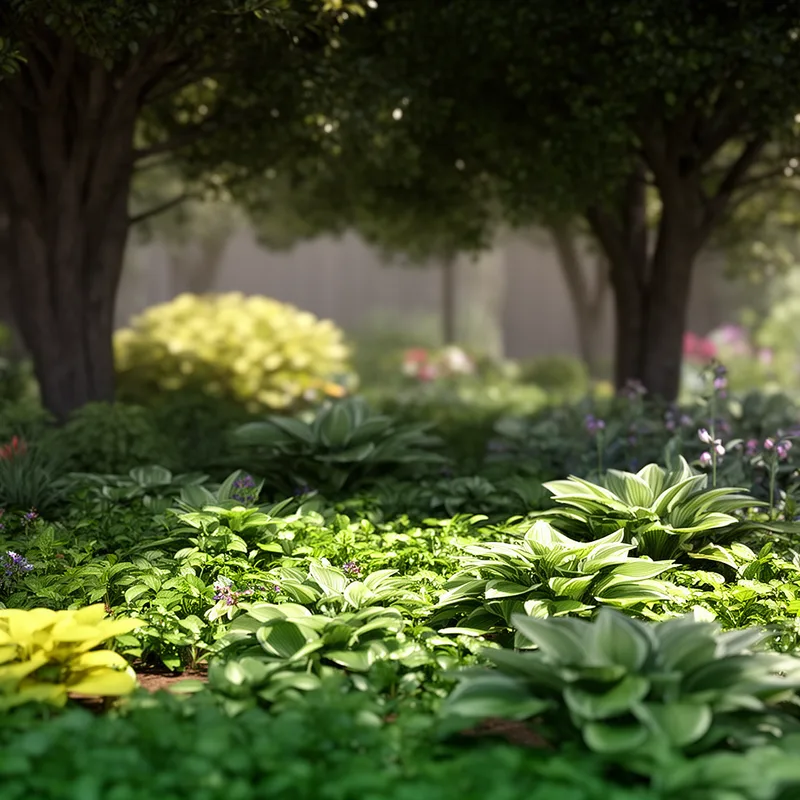
underplant
- noun
- /ˈʌndərˌplænt/
- Specialized
- Using a dense underplant can help prevent weeds from growing around larger shrubs.
Examples
-
We decided to add some colorful underplants near the rose bushes.
-
The garden features beautiful underplants that enhance the landscape.
-
The gardener selected a colorful underplant to brighten the shady area beneath the trees.
-
Hostas are a popular choice as an underplant in many landscaped gardens.
-
In the garden, the vibrant flowers attract bees while the green underplants help retain moisture in the soil.
-
To enhance the beauty of the landscape, gardeners often choose colorful underplants that bloom in the shade.
-
The dense underplants not only add texture but also help prevent soil erosion around the larger trees.
Synonyms
 11
5.6
11
5.6

Small plants, bushes, and young trees that grow under tall trees in a forest
 7
3.9
7
3.9
Low plants and bushes that grow under tall trees in a forest
 4
3.7
4
3.7
Plants that grow low and spread over soil to protect it in gardens
 1
5.1
1
5.1
A layer of small trees and plants under taller trees
 1
4.7
1
4.7
A low plant that spreads to cover the ground and stop soil from washing away

Plants that grow under trees or shrubs to make a lower layer of greenery
Surface Forms
Morphology
Etymology
Underplant comes from under ('below') and plant ('a living plant'), so it names a plant that is grown beneath larger plants. Think of a small flower tucked under a tree to help remember it.