
to underact
- verb
- /ˌʌndərˈækt/
- Specialized
 :
subactuar
:
subactuar
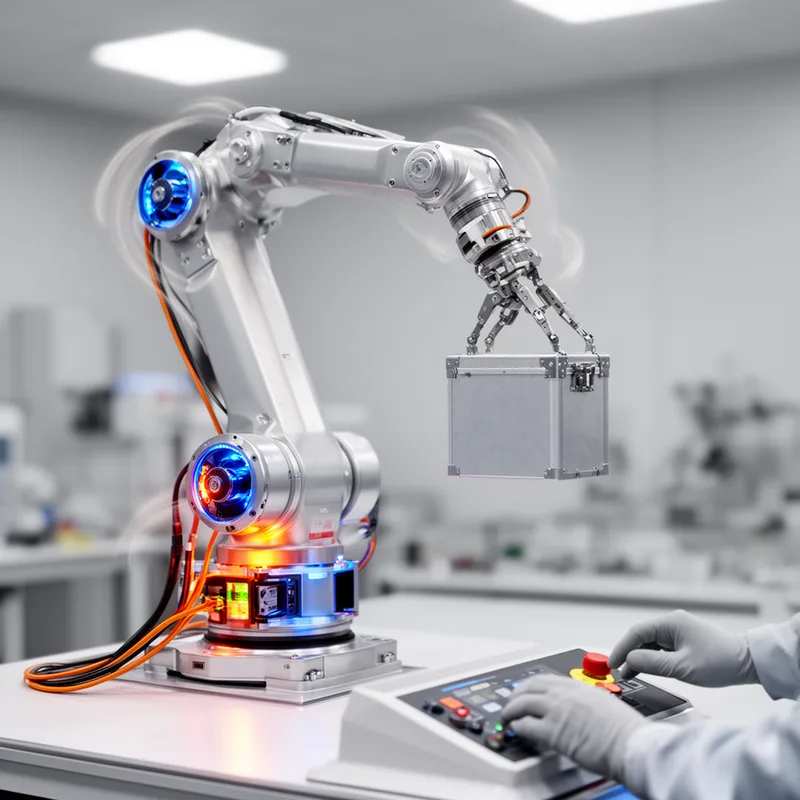
- To save energy, engineers sometimes underact robotic arms by disabling nonessential motors during transport.
Examples
-
During testing, the team underacted the prototype so some joints moved only passively.
-
The robot was designed to underact, leading to some movements being unresponsive.
-
Designers prefer underacting complex systems when weight constraints limit available actuators.
-
Why does this model underact during certain tasks?
-
To save energy, engineers sometimes underact robotic arms by disabling nonessential motors during transport.
-
Designers often choose to underact their machines when fewer actuators are needed for efficiency.
-
During development, they had to underact the robot's movements to ensure it met weight requirements.
How Actuated

- Specialized
Surface Forms
Morphology
Etymology
Underact comes from under- 'not enough' and act 'move or do'. So in engineering, to underact a machine is to give it 'not enough' motors or control, so some parts move without power or only by themselves.

