

uncut


 1
8.2
- adjective
- /ˌʌnˈkʌt/
- Specialized
- "Diamonds," said the Mouse, holding out a small bag filled with dull, uncut stones.
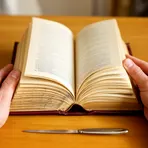
- uncut pages
Examples
-
A shipping pallet loaded up with 5,000 uncut sheets of super notes.
-
I think we could just cut like right, right there up to here, leave the top one uncut and cut the bottom one.
-
She's like a book with all the pages uncut.
-
Paul is wearing a fresh short-sleeved shirt, the tops of its sleeves still pressed together like uncut pages in a book.
Fiction book (1991) -
The top pages are uncut coupons for each month: Tylenol, Twister Light juice.
Fiction book (1996) -
In the novel, the multivolume work decorates Charles's bookshelves, its pages uncut.
Academic text (1990) -
She began going through the bubbles, collecting uncut diamonds and rolls of credits, and a few minutes later she emerged from the last of the bubbles.
Fiction book (1991) -
This rare book still has its pages uncut, making it a collector's item.
-
The antique edition on the shelf had its pages uncut, indicating it was never read.
-
When he opened the old novel, he was surprised to find the pages uncut and attached.
Synonyms
 1
3.8
Not cut and kept messy, like a beard or hedge
 1
4.9
Not cut or trimmed and left as it is
 1
4.0
Whole and not divided into parts
Antonyms
How Cut
- Specialized
1
9.5

- Specialized
1
8.2
Surface Forms
Morphology
Etymology
Uncut comes from un- 'not' and cut 'to separate', and books were called uncut when their pages were still joined at the edge, so a reader had to cut the leaves apart by hand.